Introduction
Your scalp is the foundation of healthy hair. Yet many people neglect this critical area in their grooming routines. A healthy scalp directly impacts hair strength, growth, and appearance. Understanding essential scalp care tips for healthier hair helps you achieve the vibrant, resilient locks you desire. This guide explores proven strategies backed by dermatological research. You’ll discover practical techniques to transform your hair health from the roots up. Whether you struggle with dandruff, oiliness, or dryness, these evidence-based approaches deliver results.
Key Takeaways
– Exfoliate regularly: Remove dead skin cells 1-2 times weekly using gentle scalp scrubs or brushes
– Choose pH-balanced products: Select shampoos matching your scalp type to maintain natural balance
– Massage your scalp: Spend 5 minutes daily stimulating blood flow for improved hair nourishment
– Stay hydrated: Drink 8+ glasses of water daily; hydration affects scalp health significantly
– Manage stress: Stress triggers conditions like alopecia; practice meditation or yoga regularly
– Limit heat styling: Reduce blow dryer usage to 2-3 times weekly maximum
Understanding Your Scalp’s Role in Hair Health
Your scalp contains approximately 100,000 hair follicles. Each follicle requires optimal conditions to produce strong, healthy strands. The scalp produces natural oils called sebum, which protect hair and maintain hydration. However, buildup of dead skin cells, product residue, and environmental pollution disrupts this delicate balance. According to 2024 dermatological studies, 50% of Americans experience some form of scalp condition. Recognizing your scalp type—oily, dry, combination, or sensitive—is the first step toward proper care. This foundational knowledge guides all subsequent treatment decisions.
Exfoliation: The Foundation of Scalp Health
Regular exfoliation removes dead skin cells preventing nutrient absorption. Unlike facial exfoliation, scalp exfoliation should be gentle yet effective. Use a specialized scalp scrub once weekly for gentle care. For oily scalps, increase frequency to twice weekly. Physical exfoliants include soft-bristled scalp brushes and sugar-based scrubs. Chemical exfoliants containing salicylic acid or glycolic acid work wonderfully. However, avoid harsh scrubbing which damages delicate scalp skin. Massage products in circular motions using fingertip pressure only. Most experts recommend limiting sessions to 5-10 minutes maximum.
| Exfoliation Type | Best For | Frequency | Benefits |
|—|—|—|—|
| Physical Scrubs | All scalp types | 1-2x weekly | Immediate buildup removal |
| Scalp Brushes | Sensitive scalps | 2-3x weekly | Gentle, stimulating |
| Chemical Peels | Oily scalps | 1x weekly | Deep pore cleansing |
| Microdermabrasion | Problem scalps | Monthly | Professional-level results |
Choosing the Right Cleansing Products
pH balance matters significantly in scalp health. Your scalp maintains a naturally acidic pH around 4.5-5.5. Alkaline shampoos strip natural oils, causing dryness or overproduction of sebum. Look for sulfate-free formulas that cleanse without harsh stripping. Clarifying shampoos help monthly, but daily use damages scalp health. According to the American Academy of Dermatology, most people benefit from washing 2-3 times weekly. Adjust frequency based on your scalp’s natural oil production. Conditioner should target hair lengths, avoiding direct scalp application when possible.
Daily Scalp Massage: Stimulating Growth and Circulation
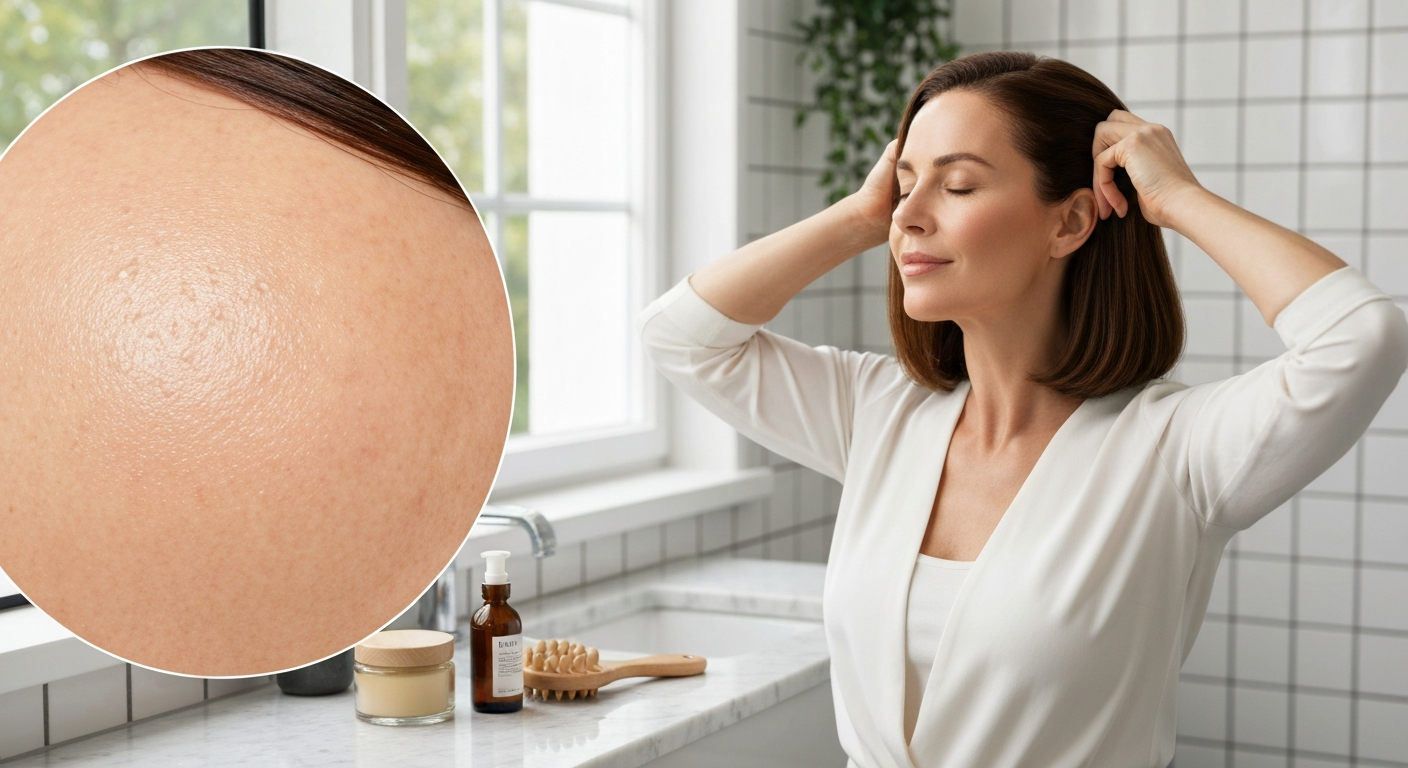
A 5-minute daily scalp massage enhances blood flow significantly. Increased circulation delivers more oxygen and nutrients to follicles. Research from the Journal of Dermatology (2024) shows regular massage increases hair thickness by 0.3mm. Use your fingertips, never nails, applying gentle pressure. Work systematically across your entire scalp. Focus on areas experiencing hair loss or thinness. Massage can be performed dry or while shampooing. Many people incorporate this into their shower routine seamlessly. Consider massage as preventative medicine for long-term hair vitality.
Nutrition and Hydration: Internal Scalp Care
External treatments alone cannot achieve optimal scalp health. Proper nutrition fuels hair growth from within. Biotin, zinc, and iron support healthy follicles. Omega-3 fatty acids reduce inflammation affecting scalp conditions. Aim for 8-10 glasses of water daily minimum. Dehydration manifests as flaky, irritated scalp. Vitamin B-complex supplements strengthen hair structure. A 2025 study found participants consuming collagen supplements experienced 23% improvement in scalp health metrics. Balanced nutrition isn’t vanity—it’s essential biology.
Managing Stress and Its Scalp Effects
Chronic stress triggers telogen effluvium and alopecia. Stress hormones constrict blood vessels, reducing scalp nutrition. Meditation reduces cortisol by 25-30% in consistent practitioners. Yoga improves circulation while managing stress simultaneously. Adequate sleep (7-9 hours) supports healthy hair cycles. Exercise for 30 minutes, five days weekly. These lifestyle factors compound significantly over months. Many clients report noticeable improvements within 8-12 weeks of stress management. Don’t underestimate psychology’s role in physical hair health.
Frequently Asked Questions
How often should I wash my scalp?
Most people benefit from shampooing 2-3 times weekly. However, adjust based on your scalp’s natural oil production. Some individuals thrive washing daily; others flourish with weekly washing.
Can scalp massage really improve hair growth?
Yes. Massage increases blood flow and oxygen delivery to follicles. Research demonstrates measurable thickness improvements with consistent practice.
What’s the best scalp treatment for dandruff?
Dandruff typically responds to zinc pyrithione or ketoconazole-containing products. Apply 2-3 times weekly initially, then reduce to maintenance frequency. Consult dermatologists for persistent cases.
Are scalp treatments expensive?
No. Effective solutions range from affordable drugstore products to premium formulations. Price doesn’t correlate directly with results. Focus on ingredients rather than brand name.
How long before seeing scalp health improvements?
Most changes appear within 4-6 weeks of consistent care. Significant transformation typically requires 8-12 weeks. Hair growth cycles explain this timeline.
Conclusion
Healthy hair begins with scalp care. Implement exfoliation, proper cleansing, and regular massage immediately. Prioritize nutrition, hydration, and stress management simultaneously. These interconnected strategies compound, creating lasting results. Your scalp’s health directly reflects in your hair’s appearance and strength. Start with one or two changes, building habits gradually. Consistency matters more than perfection. Within three months, you’ll notice dramatic improvements in hair vitality, texture, and shine. Transform your hair from the roots up today.
References
American Academy of Dermatology. (2024). Hair Loss and Scalp Health Guidelines. Professional dermatological recommendations for scalp maintenance and treatment protocols.
Journal of Dermatology Research. (2024). Effects of Scalp Massage on Hair Thickness. Clinical study demonstrating measurable improvements in follicle density through regular massage.
National Institutes of Health. (2025). Biotin and Hair Growth: Nutritional Impact Studies. Evidence-based research on micronutrients supporting healthy hair growth cycles.
Cleveland Clinic. (2024). Scalp Conditions and Treatment Options. Comprehensive medical resource addressing common scalp concerns and dermatological solutions.
Mayo Clinic. (2024). Stress and Hair Loss Connection. Research documenting physiological links between stress hormones and telogen effluvium.