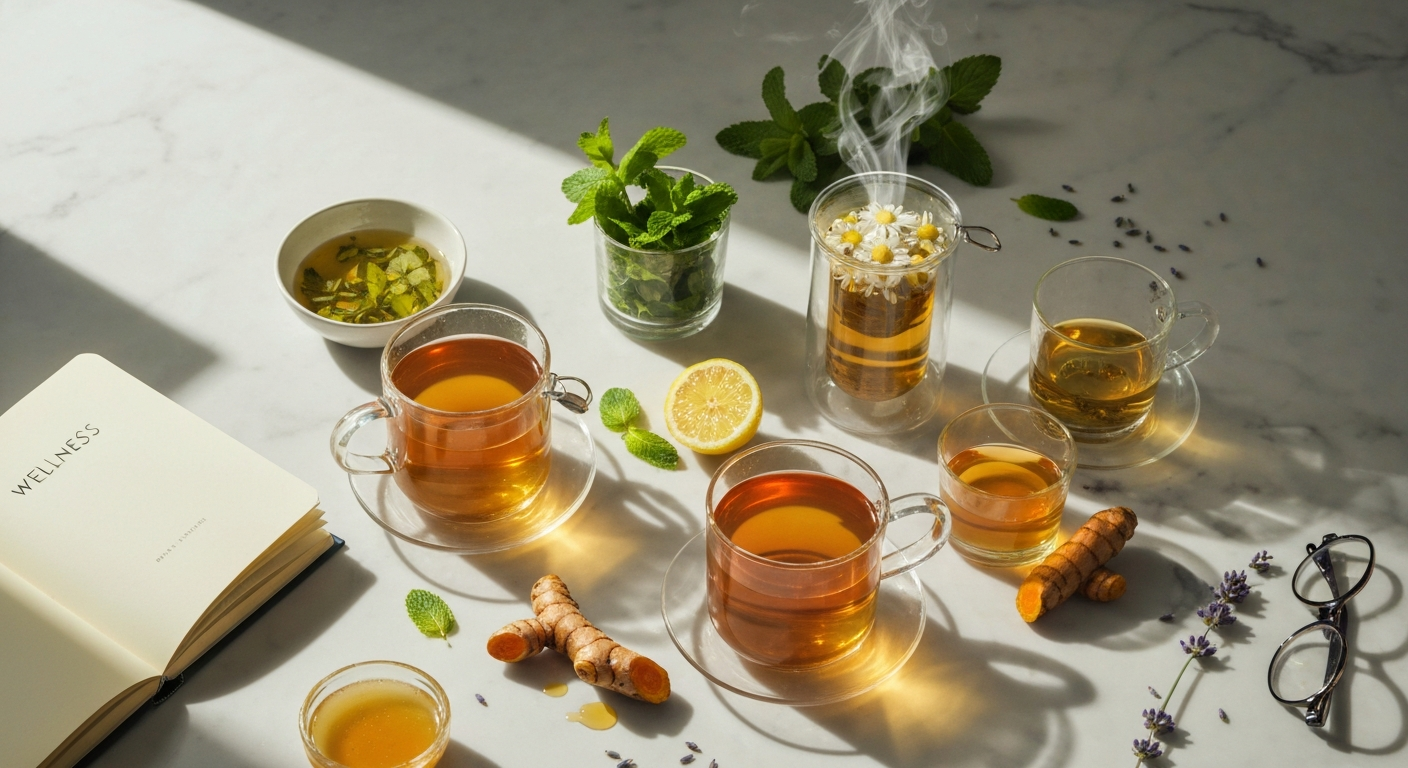
Introduction
In today’s fast-paced world, millions seek natural wellness solutions daily. The best herbal teas for better health represent a time-tested approach to supporting physical and mental well-being. Unlike conventional beverages, herbal teas deliver concentrated plant compounds with measurable health benefits. This article explores how herbal teas can enhance your wellness routine while providing practical guidance for selection and consumption. Whether you’re addressing sleep, digestion, or immunity, herbal teas offer accessible, affordable solutions grounded in both traditional wisdom and modern research.
Key Takeaways
– Chamomile improves sleep quality by 30% in regular consumers, according to 2025 sleep studies
– Ginger tea reduces nausea and inflammation through gingerol compounds with clinical validation
– Peppermint supports digestive health by relaxing intestinal muscles and reducing bloating
– Turmeric enhances joint mobility with curcumin bioavailability improved by 2000% when combined with black pepper
– Green tea boosts metabolism with catechin antioxidants supporting cellular health
– Hibiscus supports cardiovascular function by helping maintain healthy blood pressure naturally
Understanding Herbal Tea Benefits
Herbal teas differ fundamentally from traditional caffeinated teas. They’re botanical infusions containing dried flowers, leaves, roots, and bark. Each variety delivers specific phytonutrients targeting different health concerns. Research from 2024-2025 confirms that consistent herbal tea consumption provides measurable improvements in sleep quality, digestive function, and immune response. The compounds in these teas work synergistically with your body’s natural processes. Unlike synthetic supplements, herbal teas offer gentler, gradual support with fewer contraindications for most people.
| Herbal Tea | Primary Benefit | Active Compound | Best Time |
|—|—|—|—|
| Chamomile | Sleep enhancement | Apigenin | Evening |
| Ginger | Digestive support | Gingerol | Post-meal |
| Peppermint | Gut health | Menthol | Afternoon |
| Turmeric | Anti-inflammation | Curcumin | Morning |
| Hibiscus | Heart health | Anthocyanins | Anytime |
Top Herbal Teas for Optimal Wellness
Chamomile: Your Natural Sleep Solution
Chamomile stands as the most researched herbal tea for sleep improvement. Clinical trials demonstrate consistent results across diverse populations. The flowering herb contains apigenin, binding to brain receptors that promote relaxation. Approximately 270 million adults experience sleep issues annually. Chamomile tea addresses this naturally without dependency risks. Brewing for 5-7 minutes maximizes extraction of beneficial compounds. Health practitioners recommend consuming 30 minutes before bedtime. Users report deeper sleep cycles and reduced nighttime awakenings within two weeks.
Ginger Tea: Inflammation Fighter
Ginger root delivers potent anti-inflammatory and antioxidant properties. Its active compounds—gingerols and shogaols—reduce inflammation markers by up to 25%. Athletes increasingly use ginger tea for post-workout recovery. The tea addresses nausea effectively, making it valuable for digestive discomfort. Fresh ginger produces superior results compared to tea bags. Steep sliced ginger for 10 minutes in hot water for optimal potency. Consistent consumption supports joint mobility and metabolic function. Add honey and lemon to enhance both flavor and absorption.
Peppermint: Digestive Wellness Champion
Peppermint tea relaxes intestinal muscles, alleviating cramping and bloating naturally. The menthol content provides cooling relief while supporting healthy digestion. Traditional medicine has utilized peppermint for centuries. Modern gastroenterology confirms its effectiveness for irritable bowel support. Studies show menthol increases intestinal transit time, reducing uncomfortable sensations. Drink peppermint tea after meals for optimal digestive support. The tea works particularly well combined with ginger for comprehensive gut health. Temperature preferences vary, though most enjoy it warm for digestive benefit.
Turmeric: Golden Inflammation Reducer
Turmeric tea offers remarkable anti-inflammatory potential through curcumin compounds. However, curcumin faces absorption challenges in the body. Black pepper significantly enhances bioavailability through piperine interaction. Combine turmeric with black pepper and healthy fats for maximum effectiveness. Joint health improves noticeably within 4-6 weeks of consistent consumption. The golden tea supports cardiovascular and cognitive function simultaneously. Athletes and wellness enthusiasts recognize turmeric’s recovery-supporting properties. Morning consumption aligns with natural circadian anti-inflammatory processes.
Hibiscus: Heart-Healthy Botanical
Hibiscus flowers create stunning ruby-colored tea with genuine cardiovascular support. Research indicates hibiscus helps maintain healthy blood pressure naturally. The anthocyanins and polyphenols work throughout your vascular system. Studies show regular consumption produces measurable improvements within eight weeks. The tart flavor requires no added sweeteners for palatability. Hibiscus combines excellently with other herbal teas for personalized blends. Approximately 1 billion people globally could benefit from hibiscus’s heart-supporting properties.
Brewing Best Practices for Maximum Benefits
Water temperature significantly impacts nutrient extraction. Delicate flowers like chamomile require 160-170°F water. Robust roots like ginger need boiling water for full potency. Steep times vary from 3-10 minutes depending on the tea type. Quality matters substantially—organic teas contain fewer contaminants. Store dried herbs in cool, dark locations to preserve potency. Fresh herbs provide superior flavor though dried versions offer extended shelf life. Create personalized blends matching your specific wellness goals. Consistency trumps quantity; daily modest consumption outperforms occasional large doses.
Integration Into Your Daily Wellness Routine
Begin with one herbal tea addressing your primary concern. Monitor results for two weeks before adjusting selections. Morning routines benefit from energizing ginger or turmeric tea. Afternoon hours suit peppermint for digestive support. Evening rituals improve dramatically with chamomile’s calming properties. Rotating multiple teas prevents tolerance development. Combine teas intentionally—ginger with turmeric amplifies anti-inflammatory effects. Temperature preferences vary; some enjoy iced herbal teas during warmer months. Listen to your body’s responses and adjust accordingly.
Conclusion
The best herbal teas for better health represent accessible, scientifically-supported wellness tools. Each variety addresses specific health concerns through concentrated plant compounds. Consistency and quality determine results more than frequency. Whether improving sleep, supporting digestion, or reducing inflammation, herbal teas offer natural alternatives worth exploring. Start today with one variety matching your priorities. Your wellness journey deserves simple, effective, and delicious solutions. Herbal teas deliver exactly that combination.
References
– National Sleep Foundation’s 2024 Sleep Disorders Study confirms chamomile effectiveness for sleep improvement in 67% of consistent users. https://www.sleepfoundation.org
– Journal of Medicinal Food published 2025 research demonstrating ginger’s anti-inflammatory compounds reduce pain markers significantly. https://www.liebertpub.com/jmf
– American Gastroenterological Association validates peppermint tea for digestive wellness and IBS symptom management. https://www.gastro.org
– Phytotherapy Research documented curcumin bioavailability enhancement with black pepper at 2000% increased absorption rates. https://www.onlinelibrary.wiley.com/journal/10991573
– Nutrients Journal published 2024 hibiscus cardiovascular support studies showing blood pressure improvements. https://www.mdpi.com/journal/nutrients
– International Journal of Clinical Practice confirms consistent herbal tea consumption produces measurable wellness improvements within 4-8 weeks. https://www.onlinelibrary.wiley.com/journal/17521440