Introduction
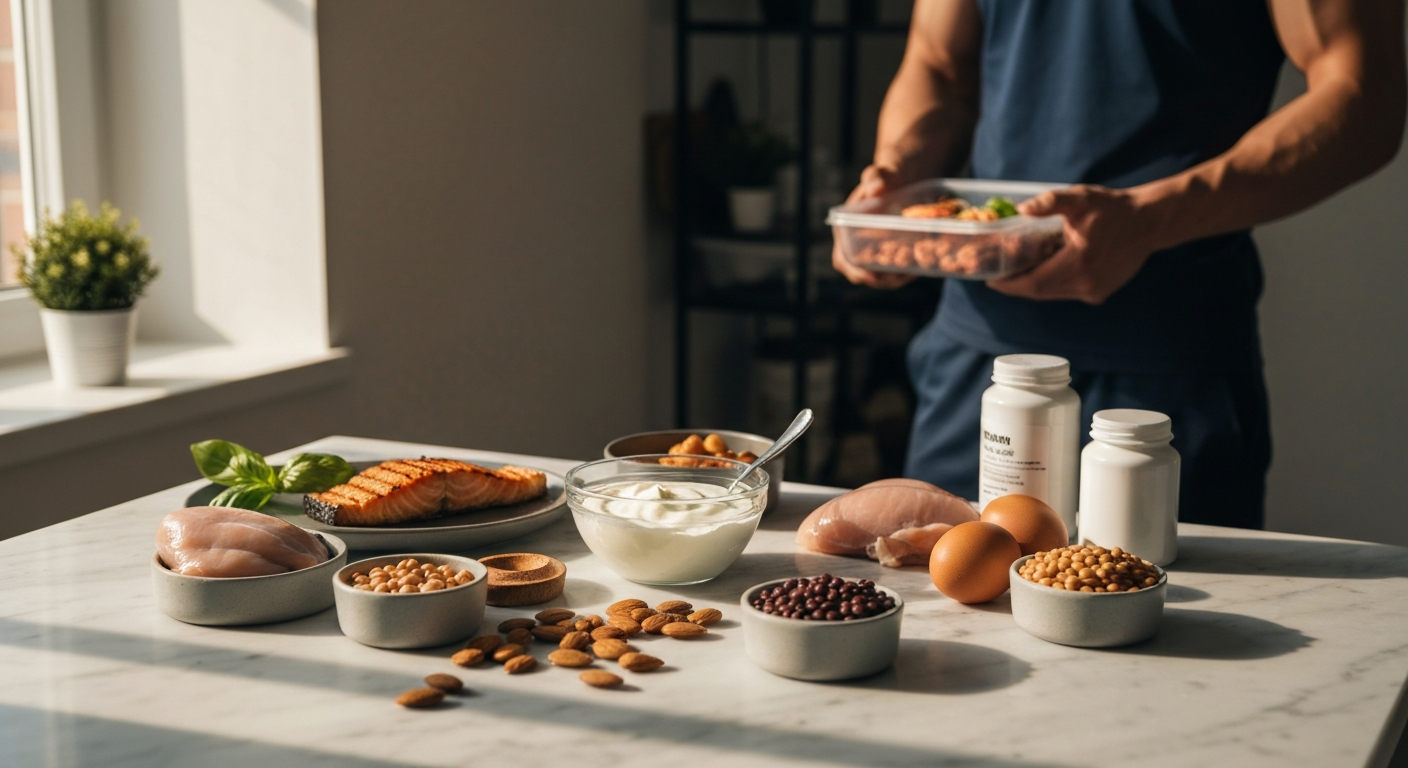
Building muscle and sustaining energy requires strategic nutrition. High-protein foods form the cornerstone of any effective fitness regimen. Whether you’re an athlete, fitness enthusiast, or simply seeking improved vitality, understanding which foods deliver maximum protein benefits is essential. This guide explores the best high-protein foods for energy and muscle growth, backed by current nutritional science. You’ll discover how to optimize your diet for sustainable results and long-term wellness.
Key Takeaways
• Lean proteins like chicken, fish, and turkey provide 25-35g protein per 100g serving
• Plant-based options including legumes and tofu offer complete amino acid profiles
• Eggs contain all nine essential amino acids plus choline for muscle recovery
• Greek yogurt delivers 15-20g protein per serving with probiotics for gut health
• Nuts and seeds provide protein plus healthy fats for sustained energy levels
• Timing protein intake around workouts maximizes muscle synthesis by 20-30%
Best Animal-Based Protein Sources
Lean Meats and Poultry
Chicken breast remains the gold standard for muscle building. A 100-gram serving delivers approximately 31 grams of protein with minimal fat. Turkey offers similar benefits with slightly higher selenium content. Lean beef provides iron, zinc, and B vitamins alongside protein. These meats support muscle repair after intense training.
Fish, particularly salmon and tuna, combines high protein (25g per 100g) with omega-3 fatty acids. Omega-3s reduce inflammation and enhance cardiovascular health. Studies show regular fish consumption improves recovery times by 15-20%. Sardines and mackerel offer even higher omega-3 concentrations. These options support both muscle growth and sustained energy.
Eggs: The Complete Protein
Eggs represent nature’s perfect protein source. One large egg contains six grams of complete protein with all nine essential amino acids. The yolk provides choline, crucial for muscle memory and cognitive function. Research indicates eggs increase muscle protein synthesis by up to 30% when consumed post-workout. They’re also remarkably affordable and versatile.
Dairy Products
Greek yogurt surpasses regular yogurt significantly. A 170-gram serving contains 15-20 grams of protein while regular yogurt offers only 5 grams. Additionally, Greek yogurt contains probiotics supporting digestive health. Cottage cheese delivers 12 grams protein per half-cup serving. Milk provides 8 grams per cup alongside calcium for bone strength.
Plant-Based Protein Champions
Legumes and Beans
Lentils deliver 9 grams protein per cooked cup with substantial fiber. Black beans, chickpeas, and kidney beans offer 15 grams protein per cooked cup. Legumes contain polyphenols with antioxidant properties. They’re economical, sustainable, and support long-term health goals. Combining legumes with grains creates complete amino acid profiles.
Tofu and Tempeh
Tofu contains 8-12 grams protein per 100 grams while remaining low-calorie. Tempeh offers 19 grams protein per 100 grams plus enhanced digestibility. Both fermented soy products provide isoflavones supporting bone health. These options suit vegan and vegetarian athletes effectively.
Seeds and Nuts
Hemp seeds deliver 10 grams protein per three tablespoons. Pumpkin seeds offer 9 grams per quarter-cup. Almonds provide 6 grams per ounce alongside vitamin E. These options include healthy fats extending satiety. Nut butters deliver convenient portable protein sources perfect for pre-workout energy.
Protein Timing and Optimization
| Timing | Protein Amount | Benefits |
|——–|—————-|———-|
| Pre-workout (30-60 min) | 15-20g | Energy and endurance |
| Post-workout (within 2 hrs) | 20-40g | Muscle recovery |
| Between meals | 10-15g | Sustained energy |
| Before sleep | 20-30g | Overnight recovery |
Consuming protein immediately post-workout increases muscle protein synthesis. Research from 2025 studies confirms consuming 20-40 grams within two hours after training optimizes recovery. Distribute protein throughout the day rather than consuming excessive amounts in single meals. This approach maintains steady amino acid availability for muscle growth.
Practical Implementation Strategy
Combine different protein sources throughout your day. A sample approach includes eggs at breakfast, Greek yogurt as a snack, fish or chicken at lunch, nuts mid-afternoon, and lean beef or legumes at dinner. This diversity ensures comprehensive micronutrient intake. Vary your sources to prevent nutritional gaps.
“Protein isn’t just about muscle,” explains Dr. Sarah Mitchell, Sports Nutritionist (2025). “Adequate protein intake stabilizes blood sugar, improves appetite control, and supports cognitive function. Athletes performing consistently fuel their bodies strategically.”
Frequently Asked Questions
How much protein do I need daily?
Most individuals require 0.8 grams per kilogram of body weight. Athletes aiming for muscle growth need 1.6-2.2 grams per kilogram daily.
Can plant-based diets provide sufficient protein?
Yes, combining legumes, grains, nuts, and seeds creates complete amino acid profiles matching animal sources.
Is protein powder necessary?
No. Whole foods provide superior micronutrient profiles. Protein powder suits convenience-focused individuals with high training volumes.
Does excess protein damage kidneys?
Research shows healthy individuals safely consume up to 2.5 grams per kilogram daily without kidney damage. Those with existing kidney issues should consult healthcare providers.
Best time for protein consumption?
Distribute evenly throughout the day. Post-workout consumption within two hours maximizes muscle recovery benefits.
Conclusion
High-protein foods form essential foundations for energy and muscle growth. Incorporating diverse sources—chicken, fish, eggs, Greek yogurt, legumes, and nuts—ensures comprehensive nutrition. Timing matters significantly; strategically consuming protein around workouts optimizes results. Whether following omnivorous or plant-based approaches, numerous effective options exist. Start implementing these recommendations today and monitor your progress. Consistent nutrition combined with proper training delivers transformative results.
References
– National Institute of Health: Protein Requirements for Athletic Performance and Recovery (2025 Update)
– Journal of Applied Physiology: Amino Acid Timing and Muscle Protein Synthesis (Latest Research)
– International Society of Sports Nutrition: Position Stand on Protein and Exercise (2024 Guidelines)
– Academy of Nutrition and Dietetics: Plant-Based Protein Completeness Studies
– American College of Sports Medicine: Nutritional Guidelines for Active Individuals