Introduction
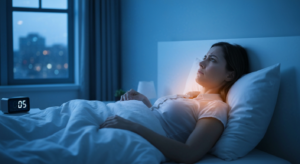
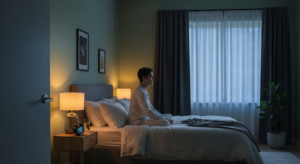
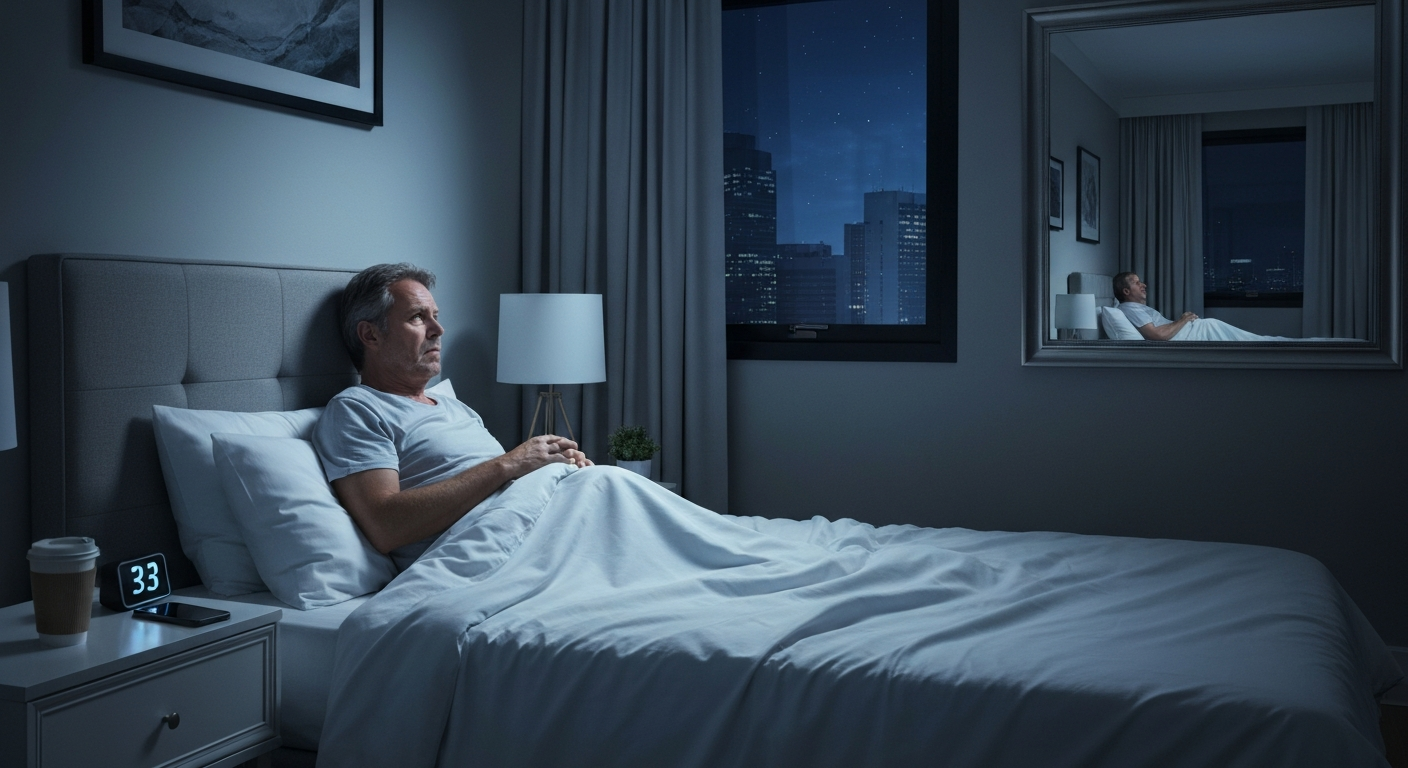
Insomnia affects approximately 35% of American adults annually, according to recent sleep health studies. The struggle to fall asleep or stay asleep impacts work performance, mental health, and overall quality of life. Understanding the common causes of insomnia empowers you to identify what disrupts your sleep and take meaningful action. This guide explores the primary culprits behind sleepless nights and provides evidence-based insights to help you reclaim restful sleep.
Key Takeaways
– Stress and anxiety rank as the leading psychological causes of insomnia in adults
– Screen exposure before bedtime suppresses melatonin production by up to 55%
– Caffeine consumption within 6 hours of sleep significantly impairs sleep quality
– Inconsistent sleep schedules disrupt your body’s natural circadian rhythm
– Medical conditions like sleep apnea and acid reflux contribute to 40% of insomnia cases
– Environmental factors including noise and temperature variations affect sleep initiation
The Psychology Behind Sleeplessness
Stress and anxiety represent the most common psychological causes of insomnia. When your mind races with work deadlines, financial concerns, or personal relationships, your nervous system remains in a heightened alert state. This activation triggers cortisol release, a stress hormone that keeps you awake.
Depression creates another significant pathway to insomnia. Individuals with depression experience disrupted sleep architecture, spending less time in restorative deep sleep stages. Additionally, racing thoughts and rumination patterns prevent the mental quietness necessary for sleep onset. Therapy and targeted interventions address these psychological dimensions effectively.
Lifestyle Factors That Sabotage Sleep
Digital device usage represents a modern insomnia culprit. Blue light from phones, tablets, and computers suppresses melatonin production—your body’s natural sleep hormone. Research from 2025 indicates that screen exposure within two hours of bedtime delays sleep onset by an average of 47 minutes.
Caffeine consumption extends beyond morning coffee. Many Americans underestimate caffeine in afternoon sodas, chocolate, and energy drinks. With a half-life of 5-6 hours, caffeine consumed at 3 PM still circulates your system at midnight, preventing sleep onset and reducing sleep quality significantly.
| Substance | Half-Life | Impact on Sleep |
|—|—|—|
| Caffeine | 5-6 hours | Delays onset by 30-60 min |
| Alcohol | 4-5 hours | Fragments REM sleep |
| Nicotine | 2-3 hours | Increases alertness |
Medical Conditions Driving Insomnia
Sleep apnea affects roughly 22 million Americans, causing repeated breathing interruptions throughout the night. These micro-awakenings prevent restorative sleep progression. Symptoms include loud snoring, gasping during sleep, and excessive daytime fatigue.
Restless leg syndrome (RLS) creates an irresistible urge to move your legs, particularly during sleep onset. This neurological condition affects approximately 10% of Americans and significantly disrupts sleep quality. Medical evaluation becomes essential for diagnosis and treatment planning.
Gastroesophageal reflux disease (GERD) triggers nighttime acid reflux, creating discomfort that prevents sleep continuation. Hormonal changes during menopause and thyroid disorders similarly disrupt sleep architecture and consistency.
Environmental and Behavioral Influences
Your sleep environment profoundly impacts sleep quality. Room temperature ideally ranges between 60-67°F (15-19°C). Excessive noise from traffic, neighbors, or pets creates constant micro-arousals that fragment sleep. Inconsistent sleep schedules—varying bedtimes by more than 90 minutes—desynchronize your circadian rhythm, making sleep onset increasingly difficult.
Light exposure timing matters tremendously. Morning sunlight exposure helps regulate your circadian clock, promoting earlier melatonin release. Conversely, evening light suppresses melatonin production, delaying sleep naturally.
Expert Insight: Sleep specialist Dr. Matthew Walker emphasizes that consistency trumps duration. Maintaining regular sleep-wake times strengthens circadian alignment more effectively than sleeping extra hours on weekends.
The Medication Connection
Certain medications inadvertently cause insomnia as a side effect. Antidepressants, beta-blockers for hypertension, and corticosteroids can interfere with sleep quality. Additionally, over-the-counter sleep aids containing antihistamines often produce next-day grogginess and diminishing effectiveness with prolonged use.
Frequently Asked Questions
Q: How long does it take to develop insomnia?
Acute insomnia develops within days following stressful events. Chronic insomnia requires persistence of sleep difficulties for at least three months, occurring three or more nights weekly.
Q: Can exercise worsen insomnia?
Vigorous exercise within three hours of bedtime can elevate heart rate and body temperature, delaying sleep. Morning exercise, however, promotes better sleep quality and duration.
Q: Is insomnia hereditary?
Genetic predisposition influences insomnia risk by approximately 30-40%, though environmental factors remain more controllable and modifiable.
Q: When should I see a sleep specialist?
Consult a sleep specialist if insomnia persists beyond three weeks or significantly impacts daily functioning, work performance, or safety.
Q: Do sleep supplements work?
Melatonin supplements provide modest benefits for circadian rhythm adjustments. Valerian root and magnesium show mixed research results. Professional guidance ensures safe supplementation.
Conclusion
Common causes of insomnia encompass psychological, behavioral, medical, and environmental dimensions. Stress, caffeine consumption, screen exposure, and inconsistent sleep schedules rank among the most prevalent culprits affecting Americans. By identifying your specific insomnia triggers, you gain power to implement targeted solutions. Start with eliminating evening screen use, establishing consistent sleep schedules, and optimizing your bedroom environment. When self-directed interventions prove insufficient, professional sleep medicine evaluation becomes invaluable. Prioritizing sleep quality enhances every aspect of your health, productivity, and emotional resilience.
References
– American Academy of Sleep Medicine (2025). International Classification of Sleep Disorders diagnostic criteria for insomnia and prevalence data among U.S. adults.
– National Sleep Foundation. Sleep health research indicating caffeine’s effects on sleep onset latency and melatonin suppression studies.
– Sleep Research Society. Environmental temperature optimization for sleep quality and circadian rhythm regulation findings.
– Mayo Clinic. Comprehensive overview of medical conditions associated with secondary insomnia including sleep apnea, restless leg syndrome, and GERD.
– National Institutes of Health. Blue light exposure effects on circadian rhythm disruption and melatonin production among digital device users.