Introduction
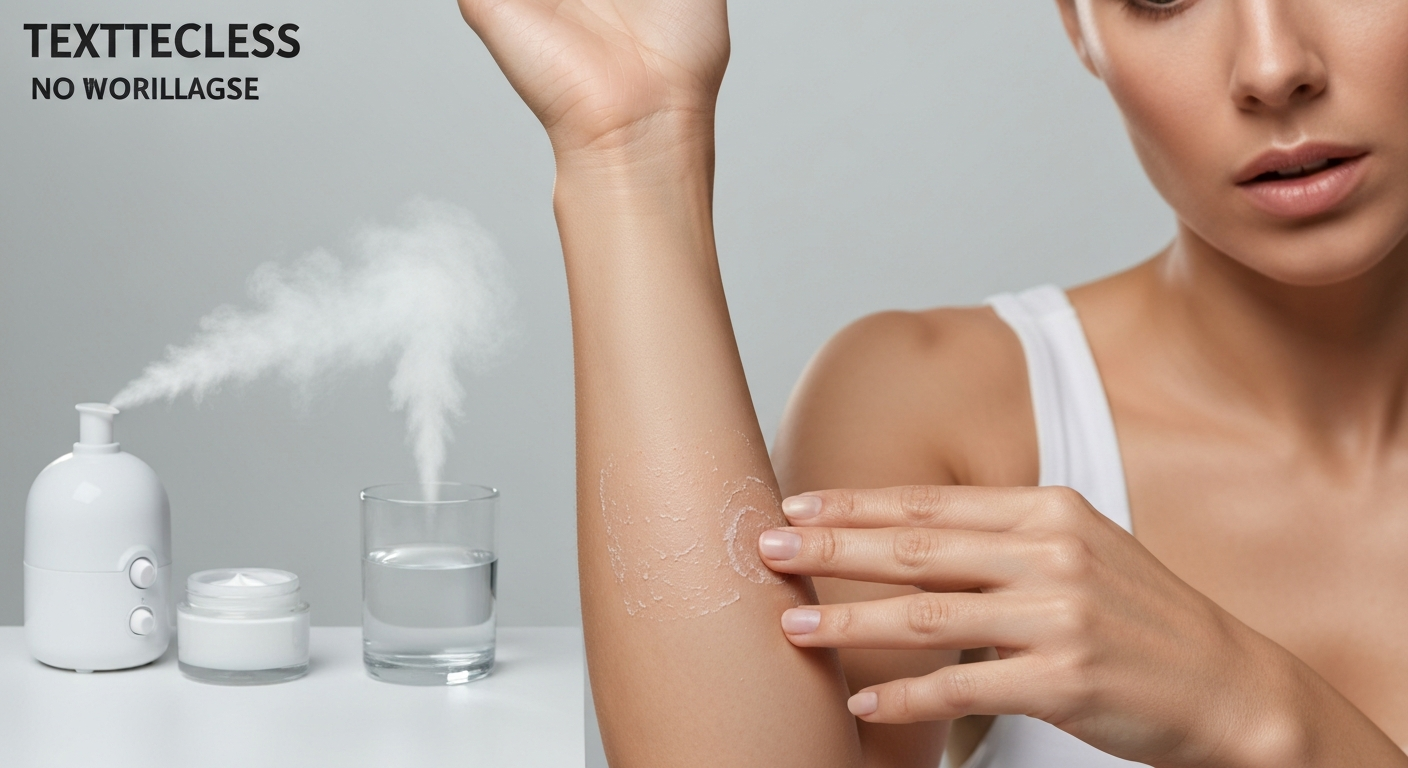
Dry skin affects over 70% of Americans at some point in their lives, creating discomfort, flaking, and aesthetic concerns. Whether you experience seasonal dryness or year-round tightness, understanding the common causes of dry skin empowers you to implement targeted solutions. This comprehensive guide reveals the environmental, biological, and behavioral factors contributing to dry skin—and how to address them effectively. By the end, you’ll understand what triggers your dryness and discover practical strategies for lasting relief.
Key Takeaways
– Environmental factors like low humidity and cold temperatures strip moisture from your skin’s outer layer
– Overwashing with hot water disrupts your skin’s natural protective barrier and lipid balance
– Age-related changes cause sebum production to decrease significantly after age 30
– Underlying health conditions including eczema, psoriasis, and thyroid disorders frequently cause persistent dryness
– Harsh skincare products containing alcohol or sulfates accelerate moisture loss
– Lifestyle habits such as inadequate hydration and poor diet compromise skin barrier function
Understanding Your Skin’s Moisture Barrier
Your skin’s outermost layer—the stratum corneum—contains lipids (fats) that trap moisture. When this barrier weakens, water evaporates, leaving skin dry and vulnerable. Think of your skin as a brick wall: lipids are the mortar holding everything together.
Environmental factors cause significant barrier disruption. Winter humidity levels drop to 20-30% in many U.S. regions, compared to summer’s 60-70%. This dramatic shift forces your skin to lose moisture rapidly. Similarly, heated indoor environments and air conditioning accelerate evaporation. Indoor heating systems reduce humidity to alarming levels during winter months, creating desert-like conditions for your skin.
Common Causes of Dry Skin: A Comprehensive Breakdown
Weather and Climate Impact
Seasonal changes represent the most common trigger. Winter poses particular challenges: cold air holds less moisture, wind damages skin cells, and heating systems strip humidity indoors. Research shows dermatology visits for dry skin increase 45% during winter months.
Hot, arid climates also cause problems. Southwestern U.S. residents report year-round dryness due to humidity levels below 30%. Conversely, coastal areas with higher humidity typically experience fewer complaints about dry skin conditions.
Overwashing and Hot Water Exposure
Your shower routine may cause your problem. Hot water strips natural oils faster than lukewarm alternatives. Each long, hot shower removes protective sebum your skin needs to retain moisture.
Frequent washing compounds this issue. Dermatologists recommend limiting showers to 5-10 minutes maximum, using lukewarm water, and showering no more than once daily unless visibly dirty. Antibacterial soaps prove particularly damaging—they disrupt your skin’s beneficial microbiome balance.
Age-Related Skin Changes
Sebum production declines approximately 10% per decade after age 30. By age 50, your skin produces significantly less natural moisturizing oils than during your twenties. This biological reality explains why dry skin becomes increasingly common with aging.
Additionally, your skin’s ability to retain water decreases. The stratum corneum becomes thinner, making moisture retention more difficult. Women experience accelerated changes during and after menopause due to declining estrogen levels, which regulate skin hydration.
Medical Conditions and Health Factors
| Condition | Mechanism | Prevalence |
|———–|———–|———–|
| Eczema | Genetic barrier dysfunction | 10% of U.S. population |
| Psoriasis | Rapid skin cell turnover | 2-3% of Americans |
| Hypothyroidism | Metabolic slowdown | 4.6% of Americans |
| Dehydration | Insufficient systemic hydration | Varies by individual |
| Diabetes | Elevated blood sugar affects skin | 10.5% of U.S. population |
Underlying health conditions frequently cause persistent dryness. Eczema (atopic dermatitis) represents the most common culprit—your skin’s genetic makeup prevents proper lipid retention. Psoriasis accelerates skin cell turnover, leaving inadequate time for proper hydration.
Thyroid disorders significantly impact skin moisture. Hypothyroidism slows metabolism and sebum production. Diabetes increases skin sugar concentration, drawing water from cells. These conditions require medical management alongside topical interventions.
Harsh Skincare Products
Many popular products actually worsen dryness. Avoid products containing:
– Alcohol denat (drying alcohols that evaporate moisture)
– Sulfates (harsh detergents that strip natural oils)
– Fragrance (common irritant triggering inflammation)
– Retinoids (used excessively without proper moisturizing support)
Even “hydrating” products sometimes contain hidden irritants. Read ingredient lists carefully. Simpler formulations with fewer ingredients typically prove safer for compromised skin barriers.
Lifestyle and Behavioral Factors
Dehydration directly impacts skin moisture. While drinking water alone won’t hydrate skin topically, chronic dehydration compromises overall skin health. Aim for 8-10 glasses daily, adjusted for activity level and climate.
Dietary choices matter significantly. Omega-3 fatty acids (found in salmon, walnuts, and flaxseeds) support skin barrier function. Vitamin C boosts collagen production. Antioxidant-rich foods combat inflammation contributing to dryness. Conversely, excessive alcohol and caffeine promote dehydration.
Stress and sleep deprivation trigger inflammatory responses. During sleep, your skin enters repair mode, producing growth hormone and increasing blood flow. Poor sleep reduces skin barrier repair, worsening existing dryness.
Practical Solutions You Can Implement Today
Start with these evidence-based approaches:
Modify your shower routine immediately. Use lukewarm water, limit duration to 5-10 minutes, and apply moisturizer within three minutes of drying off. This timing maximizes absorption while your skin retains moisture.
Choose the right moisturizer. Look for products containing ceramides, hyaluronic acid, and glycerin. These ingredients support barrier function and water retention. Apply to damp skin for optimal penetration.
Invest in a humidifier. Adding 30-50% humidity to indoor environments significantly reduces transepidermal water loss. Operating humidifiers during winter months provides substantial relief.
FAQ Section
Q: Can dry skin become a serious medical condition?
A: Severe persistent dryness occasionally signals underlying health issues requiring dermatological evaluation. Schedule appointments if dryness doesn’t improve within two weeks of consistent moisturizing or involves intense itching, redness, or visible cracks.
Q: How long does it take to improve dry skin?
A: Most people notice improvements within 7-10 days of consistent moisturizing and barrier-supporting routines. Significant healing typically requires 2-4 weeks. Underlying conditions may require longer treatment timelines.
Q: Should I exfoliate if my skin is dry?
A: Use gentle, chemical exfoliants sparingly—maximum once weekly. Avoid mechanical scrubs that damage barrier function. Focus primarily on moisturizing rather than exfoliating.
Q: Are expensive moisturizers better than drugstore options?
A: Price doesn’t determine effectiveness. Drugstore moisturizers containing ceramides, hyaluronic acid, and glycerin perform comparably to premium options. Ingredient quality matters more than brand prestige.
Q: Can diet really affect skin dryness?
A: Yes, significantly. Omega-3 fatty acids, antioxidants, and adequate hydration support skin barrier function. A nutrient-poor diet compromises skin health systemically.
Conclusion
Common causes of dry skin stem from environmental, biological, and behavioral factors—often working in combination. Winter weather, overwashing with hot water, age-related changes, underlying health conditions, harsh products, and lifestyle habits collectively compromise your skin barrier. However, understanding these causes enables targeted intervention. Start by modifying your shower routine, investing in appropriate moisturizers, and addressing lifestyle factors like hydration and sleep. Most dry skin improves significantly within weeks when approached systematically. For persistent issues lasting beyond three weeks despite consistent care, consult a dermatologist to rule out underlying conditions requiring medical management. Your skin’s comfort depends on consistent, informed actions aligned with your specific contributing factors.
References
– American Academy of Dermatology Association: “Dry Skin: Diagnosis and Treatment Overview” – provides evidence-based clinical guidelines for evaluating and managing xerosis.
– National Eczema Association: “Skin Barrier Dysfunction in Atopic Dermatitis” – explains genetic and environmental factors in dry skin conditions.
– Mayo Clinic: “Dry Skin: Causes and Prevention” – offers comprehensive medical perspective on seasonal and chronic dryness.
– Journal of Cosmetic Dermatology (2024): “Ceramides and Hyaluronic Acid in Barrier Repair Formulations” – documents clinical efficacy of key moisturizing ingredients.
– American Thyroid Association: “Skin Manifestations of Thyroid Disorders” – clarifies connections between thyroid function and skin hydration.
– National Institutes of Health: “Transepidermal Water Loss and Environmental Humidity” – presents scientific data on environmental impact on skin moisture.