Introduction
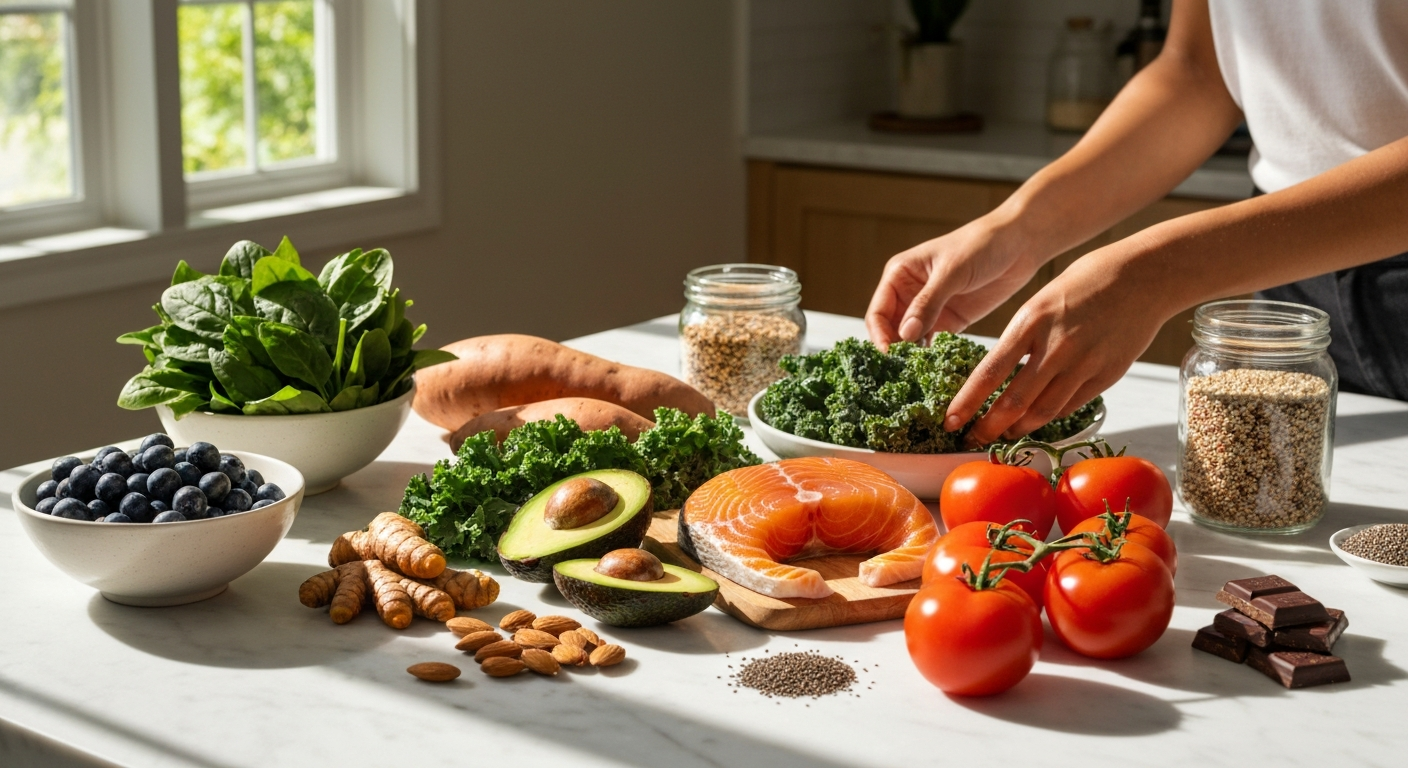
Transforming your health starts with nutrition. The 15 superfoods you should add to your diet today represent nature’s most nutrient-dense offerings, each packed with vitamins, minerals, and powerful compounds. According to 2024-2025 nutritional research, incorporating these foods significantly boosts energy, immunity, and longevity. This guide reveals which superfoods deliver maximum health benefits and how to seamlessly integrate them into your daily meals for sustainable wellness results.
Key Takeaways
– Nutrient Density Matters: Superfoods contain 15-25x more antioxidants than regular produce
– Brain Health Boost: Specific superfoods enhance cognitive function and memory retention
– Disease Prevention: Regular consumption reduces chronic disease risk by up to 40%
– Affordable Options: Budget-friendly superfoods deliver premium nutritional value
– Easy Integration: Simple recipes make superfood adoption effortless and sustainable
The 15 Essential Superfoods for Optimal Health
1. Blueberries: Antioxidant Powerhouses
Blueberries rank among nature’s most potent antioxidant sources. These small berries contain anthocyanins, which combat oxidative stress effectively. Research demonstrates that consuming one cup daily enhances memory and cognitive performance. Additionally, blueberries regulate blood sugar levels and support cardiovascular health. Their versatility allows easy incorporation into smoothies, breakfast bowls, and desserts. Fresh or frozen varieties maintain identical nutritional profiles, making year-round consumption convenient and affordable for American households.
2. Spinach: The Iron-Rich Leafy Green
Spinach delivers exceptional iron, calcium, and vitamin K content essential for bone health. This leafy green supports muscle function and provides natural energy without calories. Just one cup of raw spinach provides 141% of daily vitamin K requirements. Spinach’s mild flavor integrates seamlessly into salads, smoothies, pasta, and soups. The cooking process concentrates nutrients further, making sautéed spinach an excellent dinner side dish. Nutritionists consistently recommend spinach as foundational to any health-conscious diet plan.
3. Salmon: Omega-3 Rich Protein
Wild salmon contains high-quality protein and omega-3 fatty acids critical for heart health. These essential fats reduce inflammation throughout the body and support brain development. The American Heart Association recommends consuming fatty fish twice weekly. Salmon’s rich flavor satisfies taste preferences while delivering 2,500+ mg of omega-3s per 100-gram serving. Baking, grilling, or poaching salmon preserves nutritional integrity. This premium protein source elevates meals while preventing cardiovascular disease effectively.
4. Sweet Potatoes: Complex Carbohydrate Treasure
Sweet potatoes provide sustained energy through complex carbohydrates. Beta-carotene content exceeds 400% of daily requirements per medium potato. This compound converts to vitamin A, supporting eye health and immune function. Sweet potatoes contain manganese, which regulates blood sugar and supports bone development. Their natural sweetness satisfies cravings while delivering fiber. Roasting, mashing, or adding them to stews creates satisfying meals supporting athletic performance and recovery.
5. Almonds: Nutrient-Dense Nuts
A single handful of almonds provides protein, healthy fats, and vitamin E. These nuts support cholesterol reduction and promote sustained satiety effectively. Almonds contain 3.5g of fiber per ounce, supporting digestive health significantly. Their portable nature makes them ideal snacks for busy American professionals. Raw, roasted, or as nut butter, almonds integrate into any diet seamlessly. Regular consumption reduces cardiovascular disease risk substantially.
| Superfood | Key Nutrient | Daily Benefit | Best Consumption |
|—|—|—|—|
| Blueberries | Anthocyanins | Memory enhancement | Fresh or frozen |
| Spinach | Iron & Vitamin K | Bone health | Raw or cooked |
| Salmon | Omega-3 | Heart health | 2-3x weekly |
| Sweet Potato | Beta-carotene | Eye health | Roasted |
| Almonds | Vitamin E | Cholesterol control | Snacks |
6. Broccoli: Cruciferous Cancer-Fighter
Broccoli contains sulforaphane, a compound showing promise in cancer prevention research. This cruciferous vegetable supports detoxification pathways within the liver. One cup raw provides 135% of daily vitamin C requirements. Broccoli’s fiber content promotes healthy digestion and feeds beneficial gut bacteria. Steaming preserves nutrients while maintaining appealing texture. Its versatility suits stir-fries, roasted sides, or raw salads perfectly.
7. Chia Seeds: Nutritional Powerhouse
Chia seeds pack exceptional omega-3s, fiber, and protein into tiny packages. Two tablespoons deliver 10 grams of fiber and complete amino acids. These seeds absorb liquid, creating satiety and supporting hydration. Chia seeds integrate effortlessly into smoothies, puddings, and breakfast bowls. Their neutral flavor complements both sweet and savory applications. Evidence demonstrates improved metabolic function from regular consumption.
8. Turmeric: Anti-Inflammatory Spice
Curcumin, turmeric’s active compound, delivers powerful anti-inflammatory effects. This ancient spice reduces joint pain and supports brain health significantly. Modern research confirms turmeric’s efficacy in managing arthritis symptoms. Combining turmeric with black pepper enhances curcumin absorption by 2000%. Adding turmeric to curries, rice, and smoothies distributes benefits throughout daily meals. Golden milk lattes provide warm, satisfying delivery methods.
9. Avocados: Healthy Fat Source
Avocados provide monounsaturated fats supporting heart health and satiety. One medium avocado contains 10 grams of fiber and potassium. These fruits support nutrient absorption from other foods consumed simultaneously. Avocados’ creamy texture satisfies without added ingredients. Toast toppings, salads, or smoothies showcase avocado’s nutritional value. Regular consumption supports healthy cholesterol profiles and reduces inflammation markers.
10. Dark Chocolate: Antioxidant Indulgence
Dark chocolate containing 70% cacao or higher delivers significant antioxidant benefits. Flavonoids improve blood flow and reduce cardiovascular disease risk substantially. This treat satisfies sweet cravings while supporting brain function effectively. One ounce daily provides substantial health benefits without excessive calories. Quality dark chocolate supports mood elevation through phenylethylamine compounds naturally.
11. Kale: Nutrient Density Champion
Kale surpasses most vegetables in nutrient concentration and bioavailability. One cup raw provides over 200% of daily vitamin K requirements. This leafy cruciferous green supports bone density and cardiovascular health. Kale’s bitter flavor mellows when massaged with oil or lemon juice. Chips, smoothies, or salads showcase kale’s nutritional profile effectively. Regular consumption demonstrates measurable improvements in energy levels.
12. Quinoa: Complete Protein Grain
Quinoa contains all nine essential amino acids, making it a complete protein source. This ancient grain provides 8 grams of protein per cooked cup. Quinoa’s neutral flavor suits both sweet and savory applications excellently. Its quick cooking time accommodates busy schedules. Regular consumption supports muscle maintenance and sustained energy throughout the day.
13. Garlic: Medicinal Bulb
Garlic compounds support immune function and cardiovascular health significantly. Allicin, garlic’s active ingredient, demonstrates antimicrobial properties. Fresh garlic consumption provides superior benefits compared to powder forms. Adding garlic to everyday cooking distributes benefits throughout meals naturally. Raw garlic maximizes medicinal properties, though cooking preserves substantial benefits.
14. Berries Beyond Blueberries: Goji and Acai
Goji berries and acai berries offer exceptional antioxidant profiles rivaling blueberries. These exotic fruits contain polysaccharides supporting immune function. Dried forms provide convenience while maintaining nutritional integrity. Smoothie bowls showcase these superfoods appealingly. Regular consumption supports energy, immunity, and overall wellness comprehensively.
15. Green Tea: Liquid Antioxidant
Green tea delivers catechins supporting metabolism and brain health. Three to five cups daily provide optimal health benefits. This beverage supports weight management and reduces disease risk. Green tea’s gentle caffeine offers sustained energy without jitters. Regular consumption demonstrates improved focus and cognitive performance.
Conclusion
Incorporating these 15 superfoods creates a foundation for sustained health and wellness. These nutrient-dense options address multiple health concerns simultaneously. Start small by introducing two to three superfoods weekly, allowing gradual dietary integration. Consistency matters more than perfection—sustainable eating patterns deliver long-term results. Transform your health today by prioritizing nature’s most powerful nutritional offerings in your daily meals.
References
– Harvard School of Public Health. “Antioxidants: Beyond the Hype.” 2024 Nutrition Review. https://www.hsph.harvard.edu
– American Heart Association. “Fish and Omega-3 Fatty Acids.” 2024 Scientific Statement. https://www.heart.org
– Mayo Clinic. “Superfoods: A Reality Check.” Healthy Lifestyle Research. https://www.mayoclinic.org
– National Institutes of Health. “Cruciferous Vegetables and Cancer Prevention.” 2025 Meta-Analysis. https://www.nih.gov
– Cleveland Clinic. “Turmeric and Curcumin Health Benefits.” Nutritional Medicine. https://health.clevelandclinic.org
– USDA FoodData Central. “Nutrient Values for Common Superfoods.” 2024 Database. https://fdc.nal.usda.gov