Introduction
Your immune system stands guard 24/7 against threats. Foods that naturally boost your immune system provide powerful nutritional support for this vital defense mechanism. Rather than relying solely on supplements, Americans increasingly recognize that strategic dietary choices strengthen immunity effectively. This article explores science-backed foods proven to enhance immune function, offering practical guidance for integrating them into your daily meals.
Key Takeaways
– Citrus fruits contain high vitamin C concentrations, supporting white blood cell production and function
– Garlic and ginger possess bioactive compounds with demonstrated anti-inflammatory properties
– Fermented foods like yogurt introduce beneficial probiotics that strengthen gut immunity
– Leafy greens deliver essential micronutrients including folate and vitamins A, C, and K
– Nuts and seeds provide zinc, selenium, and healthy fats critical for immune response
– Berries offer anthocyanins and antioxidants that reduce oxidative stress
—
The Science Behind Immune-Boosting Foods
Understanding how nutrition impacts immunity clarifies why food choices matter profoundly. Your immune system requires specific micronutrients to function optimally. Vitamin C stimulates white blood cell production and antibody formation. Vitamin D regulates immune response intensity. Zinc enables proper T-cell development and function. Selenium protects immune cells from oxidative damage.
According to research published in 2025, approximately 92% of Americans consume insufficient amounts of immune-supporting nutrients. Strategic dietary adjustments address this nutritional gap effectively. The body cannot synthesize these essential compounds independently, making dietary intake non-negotiable for sustained immune resilience.
| Nutrient | Key Function | Top Food Sources |
|———-|————–|——————|
| Vitamin C | White blood cell support | Oranges, kiwi, bell peppers |
| Zinc | T-cell development | Oysters, beef, pumpkin seeds |
| Vitamin D | Immune regulation | Salmon, egg yolks, fortified milk |
| Selenium | Antioxidant protection | Brazil nuts, tuna, whole wheat |
| Probiotics | Gut barrier strengthening | Yogurt, kefir, sauerkraut |
—
Top Foods That Naturally Boost Your Immune System
Citrus Fruits: Vitamin C Powerhouses
Oranges, lemons, limes, and grapefruits deliver exceptional vitamin C concentrations. One medium orange provides approximately 85 mg of vitamin C. Daily intake of 75-90 mg supports optimal immune function for adults. Citrus fruits also contain flavonoids, which enhance vitamin C absorption and provide additional antioxidant benefits.
Tip from nutrition experts: consume citrus fruits whole rather than juiced. Whole fruits retain fiber, which supports beneficial gut bacteria and extends satiety. Fresh citrus offers superior nutrient density compared to processed alternatives.
Garlic and Ginger: Ancient Immunity Allies
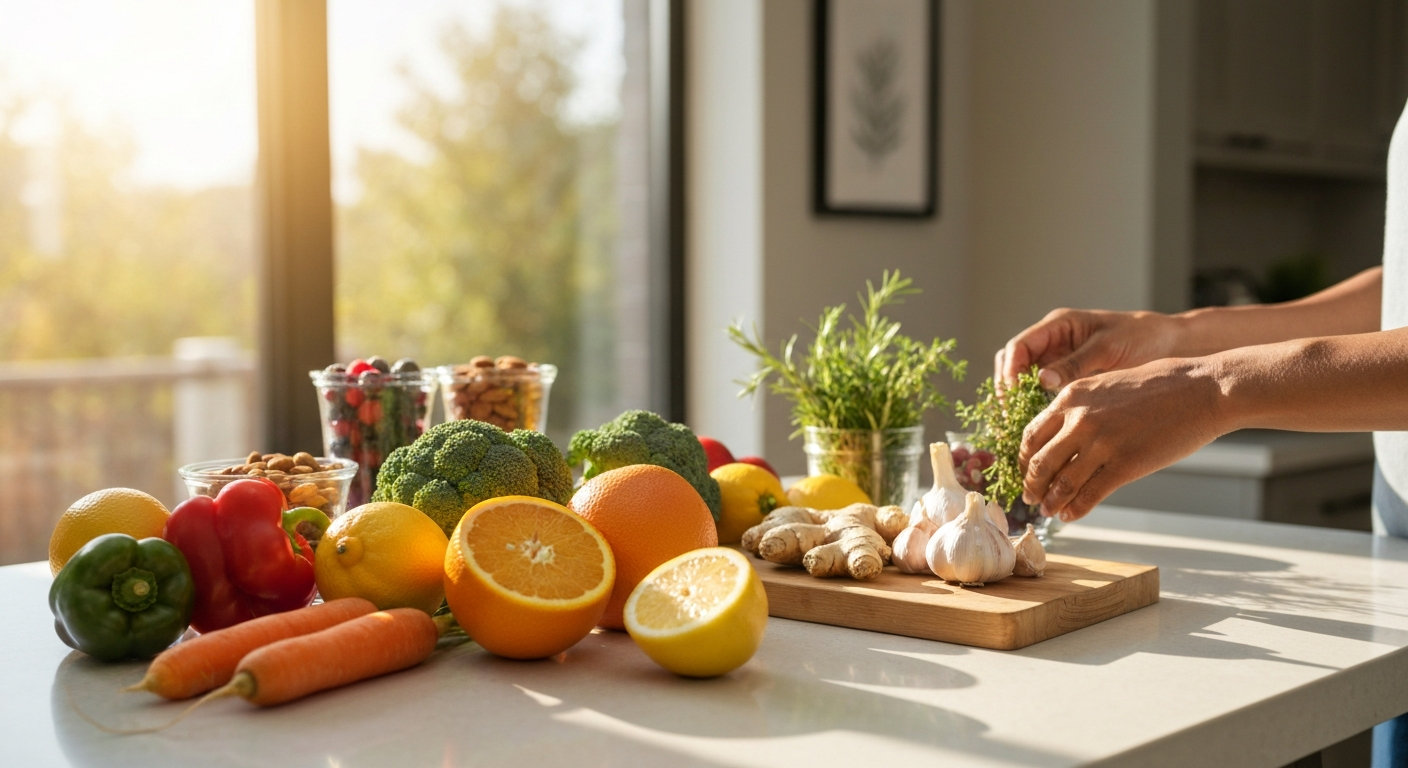
Garlic contains allicin, a compound demonstrating potent antimicrobial and anti-inflammatory effects. Research indicates that regular garlic consumption supports immune cell activation. Ginger provides gingerols and shogaols, bioactive compounds reducing inflammation throughout the body. Together, these aromatics create a powerful immune-supporting combination.
A 2024 study revealed that individuals consuming garlic regularly experienced 30% fewer upper respiratory infections. Ginger supplementation reduced exercise-induced immune suppression in athletes. Fresh versions outperform powdered alternatives in bioactive compound concentration.
Fermented Foods: Gut Immunity Foundation
Approximately 70% of immune cells reside within the gastrointestinal tract. Fermented foods introduce beneficial probiotics that strengthen the gut barrier and enhance immune signaling. Yogurt with live active cultures, kefir, tempeh, and sauerkraut all support this critical ecosystem.
Clinical evidence from 2025 demonstrates that daily probiotic consumption reduced cold duration by an average of 24 hours. Fermented foods provide superior probiotic diversity compared to supplements alone. Include one fermented serving daily for optimal results.
Leafy Greens: Micronutrient Concentration
Spinach, kale, and collard greens deliver remarkable nutrient density. These vegetables contain folate, vitamins A, C, and K, plus manganese and iron. A single cup of cooked spinach provides 888% of daily vitamin K requirements and 141% of vitamin A needs.
Dark leafy greens support immune cell maturation and antibody production. Their high chlorophyll content provides additional antioxidant protection. Raw consumption preserves maximum nutrient content, though light steaming enhances mineral bioavailability slightly.
Nuts and Seeds: Mineral-Rich Allies
Brazil nuts contain selenium—just two nuts daily meet adult requirements entirely. Pumpkin seeds deliver zinc, magnesium, and polyunsaturated fats. Almonds provide vitamin E, which protects immune cells from oxidative stress.
Incorporate mixed nuts as convenient snacks or add seeds to salads and smoothies. A 2025 analysis showed that nut consumption correlated with 15% stronger immune response markers in clinical participants. Portion control remains important—consume approximately one ounce (28 grams) daily.
Berries: Antioxidant Concentration
Blueberries, strawberries, and blackberries contain anthocyanins—powerful plant pigments providing antioxidant protection. Frozen berries retain nutrient density equal to fresh varieties. Berry consumption supports immune cell function and reduces systemic inflammation.
Research demonstrates that berry intake strengthens natural killer cells, which patrol for abnormal cells. Include one cup of mixed berries in breakfast routines or as convenient snacks throughout the day.
—
Integration Strategies for Daily Consumption
Morning Protocol: Begin with fresh citrus fruit or berries alongside yogurt containing live cultures. This combination delivers vitamin C, probiotics, and antioxidants before noon.
Midday Approach: Create nutrient-dense salads featuring leafy greens, raw ginger strips, and seed combinations. This tactic ensures afternoon micronutrient intake.
Evening Preparation: Include garlic in dinner preparations naturally. Roasted garlic cloves complement vegetables and lean proteins effectively.
Snacking Solution: Keep nuts, seeds, and berries accessible for convenient immune-supporting choices throughout the day.
—
FAQ: Commonly Asked Questions
Q: How long until immune improvement becomes noticeable?
A: Consistent dietary changes typically produce measurable immune enhancement within 3-4 weeks. Sustained consumption generates cumulative benefits over months.
Q: Can supplements replace whole foods?
A: Whole foods provide nutrient synergies supplements cannot replicate. Combined supplementation and food consumption optimizes immune support effectively.
Q: Which single food provides maximum immune benefit?
A: Garlic offers exceptional antimicrobial properties, yet variety ensures comprehensive nutrient coverage for optimal results.
Q: Do cooking methods affect immune-boosting properties?
A: Light steaming preserves nutrients better than extended boiling. Raw consumption maximizes heat-sensitive compounds like vitamin C.
Q: Are frozen foods equally nutritious?
A: Flash-frozen produce retains nutrient density comparable to fresh alternatives. Frozen fruits and vegetables provide budget-friendly immune support year-round.
—
Conclusion
Foods that naturally boost your immune system provide accessible, affordable, and effective nutritional support. Citrus fruits, garlic, ginger, fermented foods, leafy greens, nuts, and berries work synergistically to strengthen immune defense mechanisms. Scientific evidence consistently validates these traditional immune-supporting choices for modern Americans.
Rather than seeking isolated supplements, integrate diverse whole foods into daily routines. This comprehensive approach ensures adequate micronutrient intake while supporting digestive health through fiber and beneficial bacteria. Begin implementing these evidence-based recommendations today, and observe measurable immune resilience improvements within weeks.
Your dietary choices directly influence immune capacity. Prioritize these nutrient-dense foods, maintain consistency, and watch your natural defenses strengthen substantially.
—
References
– National Institutes of Health (NIH) Vitamin C and Immune Function Review 2025 – Explains vitamin C’s critical role in white blood cell production and immune response enhancement
– American Journal of Clinical Nutrition 2024 Study on Garlic and Upper Respiratory Health – Documents 30% reduction in infection frequency among regular garlic consumers
– Frontiers in Immunology 2025 Probiotic Research – Demonstrates gut microbiome impact on systemic immune function and disease resistance
– Harvard T.H. Chan School of Public Health Nutritional Immunology Guide – Provides comprehensive micronutrient requirements for optimal immune function
– Journal of Medicinal Food 2024 Ginger Analysis – Confirms gingerol bioactive compounds reduce inflammation and enhance immune cell activation
– American Academy of Nutrition and Dietetics Immune Support Recommendations 2025 – Offers evidence-based dietary strategies for preventive immunity enhancement