Introduction
Iron deficiency affects approximately 30% of the global population, making it one of the most common nutritional disorders worldwide. In the United States alone, millions experience fatigue, weakness, and reduced productivity due to insufficient iron levels. Iron deficiency presents a serious health concern that impacts your energy, immunity, and cognitive function.
Understanding iron deficiency symptoms and dietary solutions empowers you to reclaim your vitality. This guide explores evidence-based approaches to identify warning signs and restore optimal iron levels through strategic nutrition and lifestyle choices.
Key Takeaways
– Recognize major symptoms: Persistent fatigue, shortness of breath, dizziness, pale skin, and brittle nails signal potential iron deficiency
– Understand iron types: Heme iron (animal sources) absorbs 15-35% efficiency; non-heme iron (plant sources) absorbs 2-20% efficiency
– Incorporate iron-rich foods: Red meat, poultry, fish, legumes, leafy greens, and fortified cereals combat deficiency naturally
– Enhance iron absorption: Combine iron sources with vitamin C for maximum bioavailability and nutrient synergy
– Consult healthcare providers: Blood tests determine iron levels; professional guidance ensures appropriate supplementation strategies
– Address underlying causes: Investigate potential causes including poor diet, malabsorption, or chronic health conditions
—
Recognizing Iron Deficiency Symptoms
Iron deficiency develops gradually through three stages. Initially, iron stores deplete without noticeable symptoms. Subsequently, serum iron levels drop, affecting red blood cell production. Finally, iron-deficiency anemia develops, triggering unmistakable physical manifestations.
Common warning signs include:
| Symptom | Severity | When to Seek Help |
|———|———-|——————-|
| Extreme fatigue | Mild to severe | Persists >2 weeks |
| Shortness of breath | Moderate to severe | During normal activity |
| Dizziness/lightheadedness | Mild to moderate | Frequent episodes |
| Pale or yellowish skin | Mild to moderate | Noticeable change |
| Brittle nails | Mild | Accompanied by symptoms |
| Cold hands/feet | Mild | Persistent condition |
Early detection prevents serious complications. Consult your physician if symptoms persist beyond two weeks. Professional blood testing measures hemoglobin, ferritin, and serum iron levels accurately.
—
Understanding Iron’s Role in Your Body
Iron serves as the essential component of hemoglobin, the protein transporting oxygen throughout your bloodstream. Without adequate iron, your cells cannot produce sufficient hemoglobin. This oxygen deficiency cascades into widespread fatigue and reduced physical capacity.
Additionally, iron supports immune function, cognitive development, and temperature regulation. Athletes and menstruating women require 25-50% more iron than average adults. Pregnancy demands substantially increased iron intake for fetal development and maternal health support.
—
Dietary Solutions: Iron-Rich Foods
Animal-Based Iron Sources (Heme Iron)
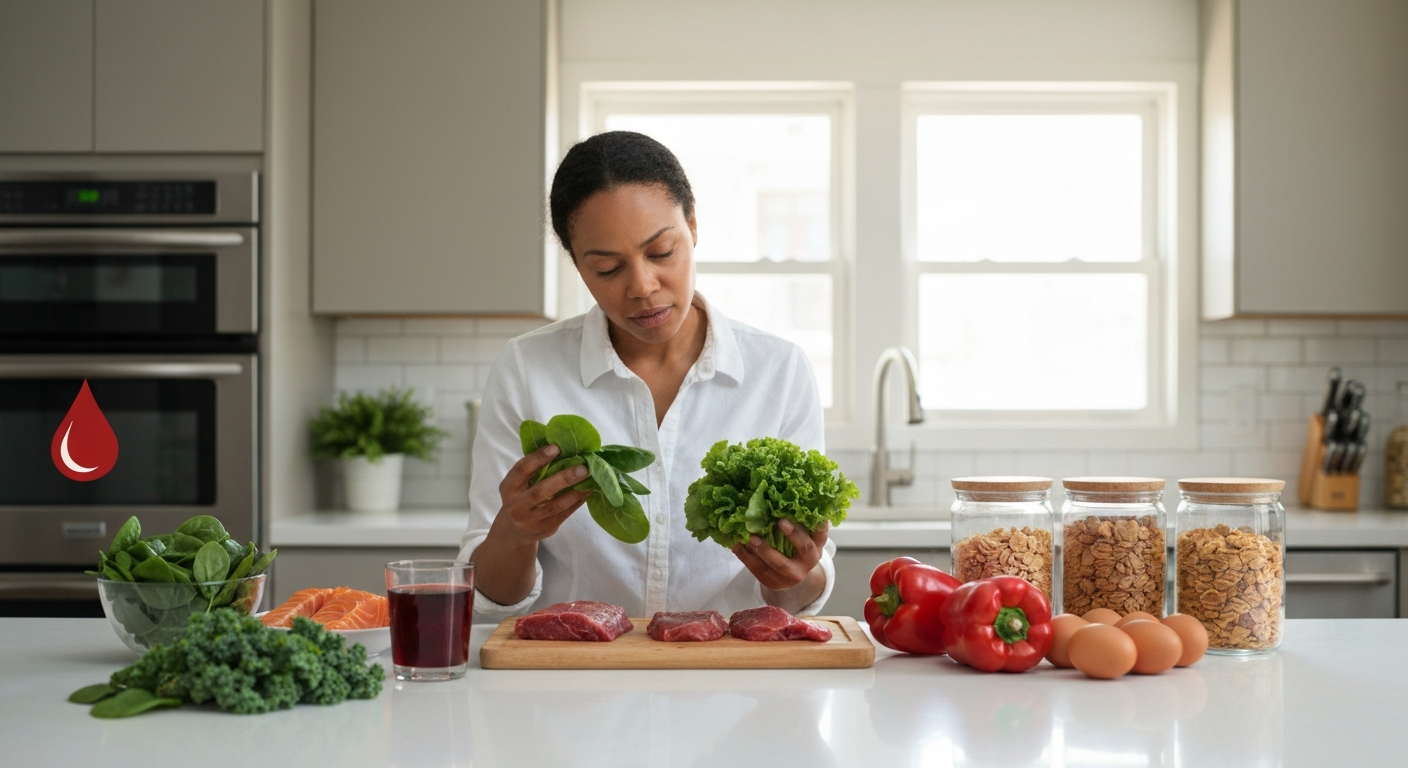
Heme iron boasts superior bioavailability, with 15-35% absorption rates. Red meat provides the highest concentration—beef contains approximately 2.6 mg iron per 3-ounce serving. Poultry and fish offer comparable benefits with lower saturated fat content.
Top animal sources include:
– Beef and lamb (2.6-3.2 mg per serving)
– Oysters and clams (3-24 mg per serving)
– Chicken and turkey (0.8-1.3 mg per serving)
– Salmon and tuna (0.8-1.5 mg per serving)
Plant-Based Iron Sources (Non-Heme Iron)
Plant-based iron requires strategic pairing with vitamin C to enhance absorption. Legumes and leafy greens provide substantial iron despite lower bioavailability rates.
Excellent vegetarian options include:
– Spinach and kale (6.4-9.3 mg per cooked cup)
– Lentils and chickpeas (6.6-19 mg per cooked cup)
– Fortified cereals (4-18 mg per serving)
– Pumpkin seeds and cashews (8.8-8.2 mg per ounce)
—
Maximizing Iron Absorption
Vitamin C dramatically enhances non-heme iron absorption. Citrus fruits, bell peppers, and tomatoes contain ascorbic acid that increases iron bioavailability by 300%. Combine spinach salad with orange juice or pair lentil soup with tomato broth.
Conversely, certain compounds inhibit absorption. Phytates in grains, oxalates in spinach, and tannins in tea bind iron, reducing availability. Soaking, sprouting, and fermenting foods reduces phytate content naturally.
Pro tip: Consume iron-rich foods separately from coffee and calcium supplements. Wait 2-3 hours between iron intake and these competing minerals for optimal absorption.
—
Lifestyle Factors Supporting Iron Health
Beyond diet, several habits enhance iron status. Regular physical activity increases oxygen demand, stimulating hemoglobin production. Stress management improves nutrient absorption by supporting digestive function.
Quality sleep facilitates cellular repair and iron metabolism. Adequate hydration supports oxygen transport throughout your system. Limit alcohol consumption, as excessive intake damages intestinal absorption capacity and depletes existing iron stores.
—
When to Consider Supplementation
Dietary modifications often resolve mild deficiency within 2-3 months. However, severe deficiency or absorption disorders may require supplementation. Iron supplements come in various forms: ferrous sulfate, ferrous gluconate, and ferrous citrate.
Important considerations:
– Iron supplements cause gastrointestinal side effects (constipation, nausea)
– Taking supplements with food reduces absorption by 40%
– Excessive iron accumulation causes organ damage
– Professional monitoring ensures appropriate dosing
Always consult your healthcare provider before beginning iron supplementation.
—
Frequently Asked Questions
Q: How long does iron restoration take?
A: Most people notice improvements within 4-8 weeks with consistent dietary changes or supplementation. Complete restoration requires 3-6 months.
Q: Can I consume too much iron?
A: Yes. Excessive iron causes organ damage, particularly the liver and heart. Hereditary hemochromatosis requires careful iron management.
Q: Are iron supplements necessary?
A: Dietary sources suffice for most people. Supplements become necessary when deficiency is severe or dietary modification proves insufficient.
Q: Does menstruation increase iron needs?
A: Absolutely. Menstruating women require 18 mg daily versus 8 mg for postmenopausal women and men.
Q: Which iron type absorbs best?
A: Heme iron from animal sources absorbs 15-35%, while plant-based non-heme iron absorbs only 2-20%.
—
Conclusion
Iron deficiency represents a reversible condition responsive to strategic nutritional intervention. Recognizing early symptoms enables prompt corrective action. Combining heme and non-heme iron sources with vitamin C-rich foods creates optimal absorption conditions.
Prioritize consistency over perfection. Gradual dietary improvements compound into sustained energy, enhanced immunity, and improved quality of life. Professional medical guidance ensures personalized solutions addressing your unique circumstances. Take control of your iron health today—your future self will appreciate the vitality you’ve reclaimed.
—
References
– National Institutes of Health: Iron – Health Professional Fact Sheet provides comprehensive iron nutrition guidelines for healthcare providers.
– American Academy of Family Physicians: Iron Deficiency Anemia offers evidence-based diagnostic criteria and treatment recommendations.
– World Health Organization: Nutritional Anaemias addresses global iron deficiency epidemiology and public health intervention strategies.
– Cleveland Clinic: Iron Deficiency Anemia explains physiological mechanisms and clinical management approaches for patients.
– Mayo Clinic: Iron Deficiency Anemia delivers practical dietary and supplementation guidance for symptom management.
– USDA FoodData Central Database: Contains comprehensive iron content analysis for over 31,000 food items nationwide.