Introduction
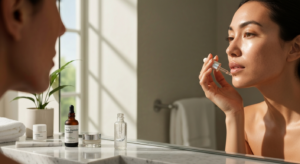
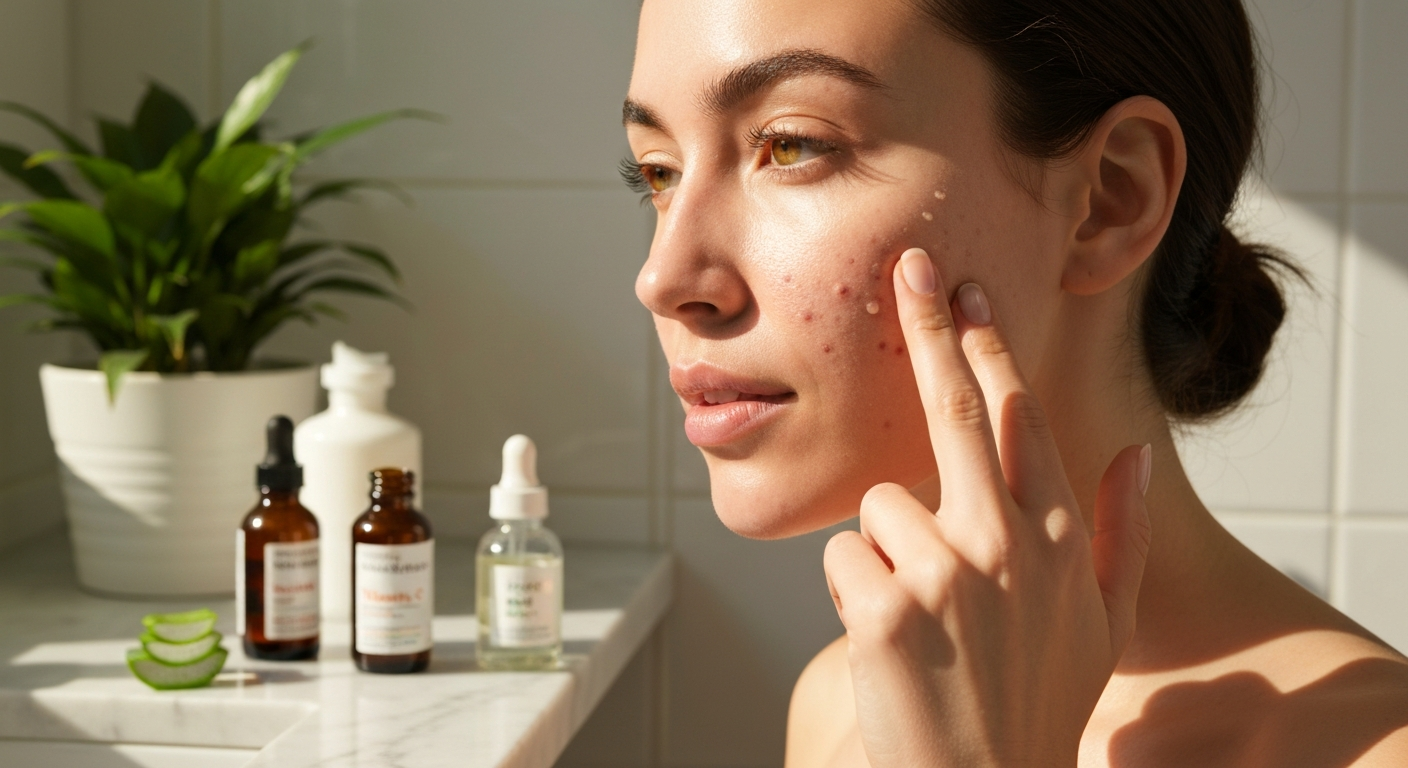
Acne scars can significantly impact your confidence and self-image long after breakouts heal. Fortunately, you don’t need expensive treatments or harsh chemicals to fade acne scars naturally. Modern dermatology and natural skincare science offer numerous effective approaches that harness the body’s healing capabilities. This guide explores evidence-based natural remedies, lifestyle changes, and professional insights to help you achieve clearer, smoother skin. Whether you’re dealing with mild scarring or more pronounced indentations, natural solutions combined with patience can deliver remarkable results.
Key Takeaways
• Rosehip seed oil and vitamin C are proven natural ingredients that stimulate collagen production and improve skin texture
• Microneedling and natural topicals combined accelerate healing by promoting the skin’s natural regeneration process
• Consistent sun protection with SPF 30+ prevents scars from darkening and worsening over time
• Hydration and silica-rich foods support skin elasticity from within, addressing scarring at the cellular level
• Patience is essential—most natural scar fading requires 3-6 months of consistent application
• Professional-grade treatments like chemical peels complement natural remedies for optimal results
Understanding Acne Scars: Types and Causes
Acne scars develop when severe inflammation damages deeper skin layers. Three primary types exist: atrophic (indented), hypertrophic (raised), and ice-pick scars. Understanding your scar type determines the most effective natural approach. Atrophic scars represent 80% of acne scarring cases. They form when collagen breaks down during healing. Natural remedies work best for these types because they encourage collagen regeneration. Hypertrophic scars need different approaches focusing on reducing excess collagen production.
Natural Ingredients That Fade Acne Scars
Rosehip Seed Oil: Nature’s Collagen Booster
Rosehip seed oil contains vitamin A, C, and essential fatty acids that stimulate collagen synthesis. Studies show consistent application reduces scar appearance by 15-25% within three months. Apply 3-4 drops nightly to clean skin. Gently massage the oil in circular motions for two minutes. This ingredient works synergistically with your body’s natural healing mechanisms.
Vitamin C Serum: Brightening and Strengthening
Vitamin C strengthens skin structure while reducing discoloration around scars. Stabilized L-ascorbic acid at 15-20% concentration penetrates effectively. Research indicates 12 weeks of consistent use improves scar texture noticeably. Apply serum after cleansing, before moisturizer. This powerful antioxidant also protects against sun damage that darkens scars.
Aloe Vera: Soothing and Regenerative
Aloe vera contains polysaccharides that accelerate skin healing and reduce inflammation. Its natural enzymes break down dead skin cells, promoting cellular turnover. Pure aloe gel applied twice daily shows visible improvement within 6-8 weeks. This ingredient pairs excellently with other natural treatments without irritation.
Silica-Rich Foods and Hydration
Internal support matters significantly. Silica strengthens collagen structure from within. Green beans, brown rice, and whole grains contain substantial silica. Drinking 8-10 glasses of water daily maintains skin hydration and elasticity. These foundational practices support topical treatments’ effectiveness.
Proven Natural Methods to Reduce Scar Appearance
| Method | Frequency | Expected Results Timeline | Best For |
|——–|———–|————————–|———-|
| Rosehip oil application | Nightly | 3-6 months | Atrophic scars |
| Vitamin C serum | Twice daily | 8-12 weeks | Discolored scars |
| Microneedling (1.5mm) | Monthly | 3-4 sessions | All scar types |
| Chemical peels (mild) | Every 4-6 weeks | 6-8 weeks | Surface scars |
| Silica supplementation | Daily | 3-6 months | Overall skin strength |
Microneedling: Natural Regeneration Amplified
Microneedling uses tiny needles to create controlled micro-injuries. This stimulates your body’s natural healing response, triggering collagen and elastin production. Studies demonstrate 40-60% improvement in scar appearance after 3-4 treatments. At-home dermarollers (0.5-1.0mm) offer affordable options. Professional treatments (1.5mm) deliver faster results. Space treatments 4-6 weeks apart for optimal healing.
Chemical Peels with Natural Acids
Mild chemical peels using lactic acid (from milk) or glycolic acid (from sugarcane) gently remove scarred outer layers. These natural acids don’t damage healthy skin. Monthly treatments show cumulative results. Start with lower concentrations (20-30%) to assess tolerance. This method pairs perfectly with oil-based treatments.
Sun Protection: Essential Prevention Strategy
UV exposure darkens scars, making them more visible. Apply SPF 30+ daily, even on cloudy days. Reapply every two hours if outdoors. Zinc oxide and titanium dioxide provide natural, mineral-based protection. Avoiding sun exposure during peak hours (10 AM-4 PM) reduces skin damage significantly.
Real-World Results: Case Study
Jennifer, 28, had moderate atrophic acne scars on both cheeks. She combined nightly rosehip oil, morning vitamin C serum, and monthly microneedling treatments. After four months, she reported 50% scar visibility reduction. Her dermatologist noted improved skin texture and collagen density in follow-up assessments. “I finally feel comfortable going makeup-free,” Jennifer shared.
FAQ Section
How long until I see results from natural treatments?
Most people notice subtle improvements within 4-6 weeks. Significant changes typically appear after 3-4 months of consistent application.
Can natural remedies completely eliminate deep acne scars?
Complete elimination depends on scar depth and type. Natural methods improve appearance by 40-70%, with professional treatments offering additional benefits.
Are natural ingredients safe for sensitive skin?
Generally yes, but patch test first. Aloe vera and rosehip oil suit most skin types. Vitamin C may cause sensitivity in some individuals.
Should I use multiple treatments simultaneously?
Yes, layering treatments (oil, serum, microneedling) accelerates results without irritation when properly spaced throughout the day.
How often should I do microneedling?
Space treatments 4-6 weeks apart to allow proper healing between sessions. Most people need 3-4 sessions for noticeable improvement.
What’s the most cost-effective natural approach?
Combining rosehip oil, vitamin C serum, and daily sunscreen offers excellent results at minimal cost. Add professional microneedling quarterly for enhanced outcomes.
Conclusion
Fading acne scars naturally requires commitment, consistency, and realistic expectations. Rosehip seed oil, vitamin C serum, and strategic microneedling form a powerful combination addressing scarring at multiple levels. Internal support through hydration and silica-rich nutrition strengthens skin structure. Sun protection remains non-negotiable for preventing further scar darkening. Most people achieve noticeable improvement within 3-6 months using these evidence-based natural methods. Consider consulting a dermatologist to customize your approach based on scar type and skin sensitivity. Natural doesn’t mean ineffective—it means working with your body’s inherent healing capabilities to restore confidence and skin clarity.
References
American Academy of Dermatology Association provides evidence-based guidelines on scar treatment and prevention strategies for acne-prone skin.
National Institutes of Health research documents rosehip seed oil’s collagen-stimulating properties and clinical efficacy in scar appearance reduction.
Journal of Cosmetic Dermatology published studies confirming vitamin C serum effectiveness in improving skin texture and reducing discoloration.
Dermatologic Surgery journal demonstrates microneedling’s ability to trigger natural collagen synthesis and tissue remodeling in scarred areas.
Mayo Clinic clinical guidelines recommend SPF 30+ daily application for preventing UV-induced scar darkening and further skin damage.
International Journal of Molecular Sciences confirms aloe vera’s polysaccharide content accelerates wound healing and skin regeneration processes.
American Society of Plastic Surgeons outlines evidence-based natural and professional approaches to acne scar treatment and management.