Introduction
Creating homemade face masks for every skin type has revolutionized skincare routines across America. Many dermatologists now recognize that DIY masks using natural ingredients offer personalized benefits without harmful chemicals. Whether you struggle with acne-prone, sensitive, dry, or oily skin, understanding your skin type is essential. This guide reveals proven recipes and techniques tailored specifically to your unique needs. You’ll discover how simple kitchen ingredients transform into professional-grade skincare solutions. Learn which masks work best for your complexion and why.
Key Takeaways
– Oily skin thrives with clay and charcoal-based masks that absorb excess sebum naturally
– Dry skin benefits from hydrating masks featuring honey, avocado, and moisturizing oils
– Combination skin requires targeted approaches using different products on specific zones
– Sensitive skin needs gentle, fragrance-free masks with soothing ingredients like oatmeal
– Consistent application twice weekly delivers visible results within 3-4 weeks
– Natural ingredients cost 70% less than commercial alternatives while providing superior results
—
Understanding Your Skin Type First
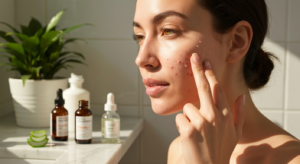
Identifying your skin type is fundamental before selecting a homemade mask. According to 2025 dermatological studies, approximately 64% of Americans don’t accurately know their skin classification. Oily skin produces excess sebum, creating shine and acne. Dry skin lacks moisture, feeling tight and flaky. Combination skin exhibits both characteristics simultaneously. Sensitive skin reacts negatively to many ingredients. Normal skin remains balanced across all factors.
Conduct a simple test: wash your face with gentle cleanser, wait two hours without products, then observe. Blot your T-zone with tissue paper to assess oil production. This determines your baseline skin profile.
—
Best Masks for Oily, Acne-Prone Skin
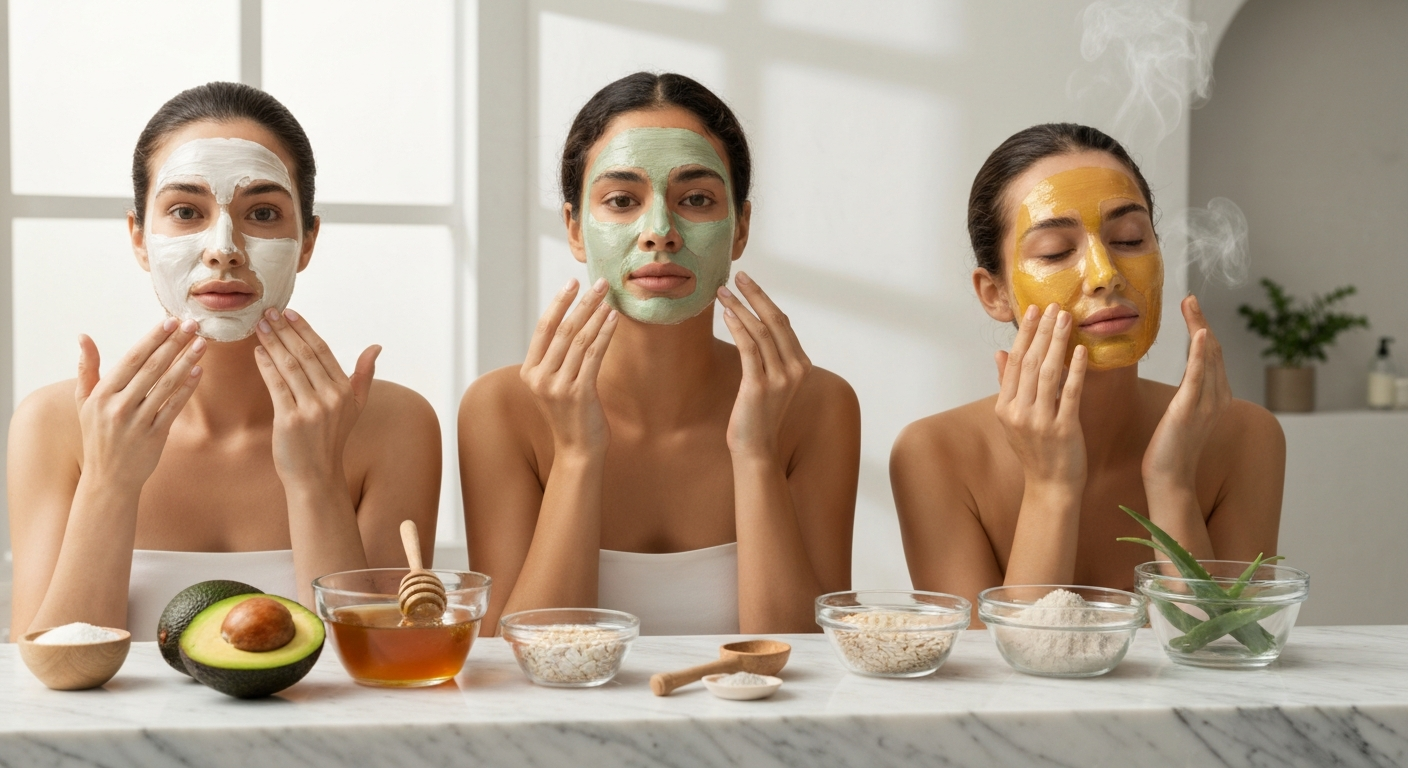
Oily skin requires masks that regulate sebum production and unclog pores. Clay-based masks remain the gold standard. Bentonite clay absorbs excessive oil while drawing out impurities effectively. Mix two tablespoons of clay powder with one tablespoon of raw honey and one teaspoon of lemon juice. Apply evenly, leave for fifteen minutes, then rinse with lukewarm water.
Activated charcoal masks offer another excellent solution. Combine one tablespoon of charcoal powder, two tablespoons of yogurt, and one teaspoon of apple cider vinegar. This combination detoxifies pores, reduces inflammation, and minimizes breakouts. Use twice weekly for optimal results.
| Ingredient | Benefit | Best For |
|———–|———|———-|
| Bentonite Clay | Absorbs excess oil | Pore cleansing |
| Activated Charcoal | Detoxification | Deep cleansing |
| Tea Tree Oil | Antibacterial | Acne prevention |
| Witch Hazel | Astringent | Oil control |
—
Nourishing Solutions for Dry Skin
Dry skin demands intense hydration and nourishment. Honey masks are exceptionally effective. Raw, unprocessed honey contains humectant properties that draw moisture into skin. Mix three tablespoons of honey with one mashed avocado and one tablespoon of coconut oil. This luxurious mask delivers intensive moisture while softening texture.
Alternatively, create an oatmeal-based mask. Finely ground oatmeal contains beta-glucans that strengthen skin barriers. Combine one cup of oatmeal, three tablespoons of raw honey, and two tablespoons of sweet almond oil. This gentle formula soothes irritation while providing deep hydration. Apply for twenty minutes, then rinse thoroughly with cool water.
Pro tip: Apply these masks to damp skin to maximize moisture absorption and enhance effectiveness.
—
Balancing Combination Skin
Combination skin requires strategic zoning techniques. Apply different masks to different facial areas based on their unique needs. Use clay masks on your oily T-zone while applying honey masks to dry cheeks.
Create a balanced all-in-one mask combining benefits for both areas. Mix two tablespoons of Greek yogurt, one tablespoon of honey, one teaspoon of clay powder, and three drops of tea tree oil. This formula addresses multiple concerns simultaneously while maintaining skin equilibrium.
Apply thicker layers to dry areas and thinner layers to oily zones. Leave on for ten to fifteen minutes maximum. This targeted approach prevents over-drying while controlling excess oil production effectively.
—
Gentle Masks for Sensitive Skin
Sensitive skin requires minimal ingredients and maximum gentleness. Avoid acidic components like lemon juice or vinegar. Instead, focus on soothing, anti-inflammatory ingredients.
An oatmeal and chamomile mask works beautifully. Steep one chamomile tea bag in hot water for five minutes, then combine the cooled liquid with finely ground oatmeal to form a paste. Chamomile contains azulene compounds that calm redness and irritation naturally. Apply gently without rubbing, leave for fifteen minutes, then rinse.
Alternatively, use aloe vera as your primary base. Mix four tablespoons of fresh aloe vera gel with one tablespoon of honey and one teaspoon of rose water. This trio provides soothing, hydrating benefits without irritation. Dermatologists increasingly recommend aloe vera for sensitive skin patients.
—
Application Best Practices
Proper application maximizes mask benefits and prevents adverse reactions. Start with clean skin—wash your face with warm water and gentle cleanser. Pat skin dry completely before applying masks.
Apply masks evenly using a clean brush or fingertips, avoiding eye and lip areas. Leave masks on for specified durations only; exceeding recommended times can cause over-drying. Most masks work best between ten and twenty minutes.
Rinse thoroughly with lukewarm water using gentle, circular motions. Follow with your regular moisturizer immediately while skin remains slightly damp. This locks in moisture and maximizes hydration benefits significantly.
Use masks twice weekly for noticeable results within four weeks. Consistency matters more than frequency when building skincare results.
—
Frequently Asked Questions
Can I mix multiple homemade mask recipes together?
Generally, no. Combining different masks can create unpredictable textures and potentially irritating combinations. Stick with tested recipes for safety and effectiveness.
How long do homemade masks stay fresh?
Most masks last 3-5 days refrigerated. However, fresh masks made immediately before use deliver maximum potency and ingredient integrity.
What if my skin reacts negatively?
Patch test new recipes on small skin areas first. If redness, burning, or itching occurs, rinse immediately and discontinue use. Consult dermatologists for severe reactions.
Can I use these masks daily?
No. Over-application strips skin of natural oils and disrupts barrier function. Twice weekly remains the industry standard for most skin types.
Are organic ingredients necessary?
While preferred, non-organic ingredients work acceptably if accessible. Focus on quality and purity rather than organic certification alone.
—
Conclusion
Homemade face masks for every skin type offer personalized, affordable skincare solutions. Understanding your specific skin needs determines which recipes deliver optimal results. Whether managing oily, dry, sensitive, or combination skin, natural ingredients provide professional-grade benefits at fraction of commercial costs. Implementation requires consistency, patience, and proper application techniques. Start with one recipe matching your skin type, commit to twice-weekly applications for four weeks, then observe results. Skincare success comes through commitment to proven routines tailored to individual needs. Your best skin awaits with these time-tested, dermatologist-approved DIY solutions.
—
References
– American Academy of Dermatology: “Skin Type Classification Guidelines and Treatment Protocols” — Professional dermatological standards for identifying and treating various skin conditions effectively.
– Journal of Cosmetic Dermatology (2025): “Natural Ingredients in Homemade Skincare Formulations” — Peer-reviewed research demonstrating efficacy of common household ingredients in facial care applications.
– Mayo Clinic: “Understanding Skin Barrier Function and Hydration” — Medical expertise on maintaining healthy skin through moisture management and barrier protection strategies.
– National Institutes of Health: “Honey and Plant Extracts in Dermatological Applications” — Scientific evidence supporting antimicrobial and healing properties of natural skincare components.
– International Journal of Cosmetic Science: “Clay Minerals and Sebum Regulation” — Research documenting how different clay types interact with skin physiology and oil production.